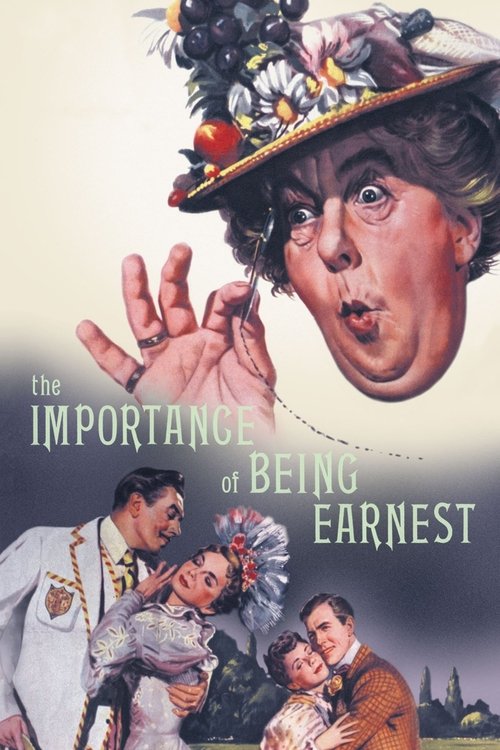
The Importance of Being Earnest
1952
No user ratings available yet
Representation score: 2.5 out of 10
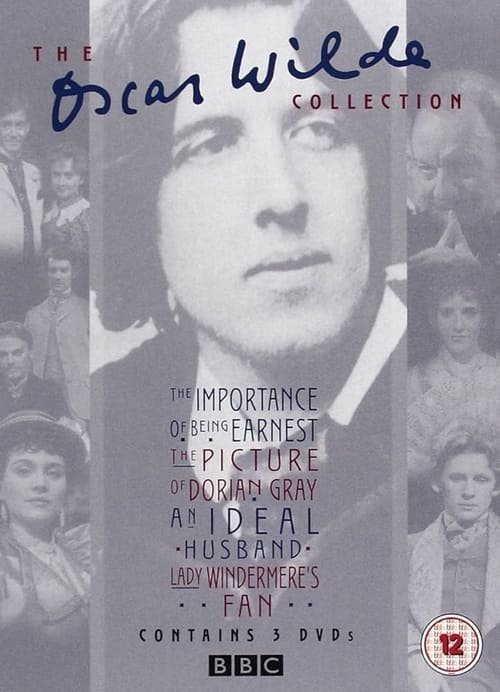
Representation Score
Fair
1988
Director
Stuart Burge
Runtime
110 minutes
Average Rating
No ratings yetNew Showbiz Analysis
This adaptation of Oscar Wilde’s play is a period-accurate reflection of 1890s England. It prioritizes historical fidelity over modern diversity, resulting in a cast that lacks racial and LGBTQ+ visibility. However, the film successfully subverts gendered power dynamics by giving female characters a significant role in driving the story. Ultimately, the work functions as a satirical critique of class and social performance, using wit to challenge traditional Western social institutions.
Category Breakdown
The film adheres to the period's straight-centered norms and does not include any non-cisgender identities or same-sex relationships. However, the use of pseudonyms hints at some identity fluidity.
Female leads Gwendolen and Cecily challenge the submissive heroine cliché by dictating their romantic terms and exercising significant intellectual leverage. Their specific social demands subvert traditional gender roles.
The cast is demographically homogeneous, reflecting the Anglo-Saxon society of the 1890s. The film functions as a period piece without including actors from diverse racial backgrounds.
The narrative critiques Western institutions and high-society morality. It suggests that social truths are constructs, using satire to challenge the rigidity of class-based etiquette and Victorian social codes.
There is no focus on physical or cognitive differences among the characters. The characters are portrayed as typical dramatic archetypes without any disabilities influencing the plot.
Present on Screen
Limited or Absent
Official Synopsis
Two young gentlemen living in 1890s England use the same pseudonym ('Ernest') on the sly, which is fine until they both fall in love with women using that name, which leads to a comedy of mistaken identities.
1952
1996
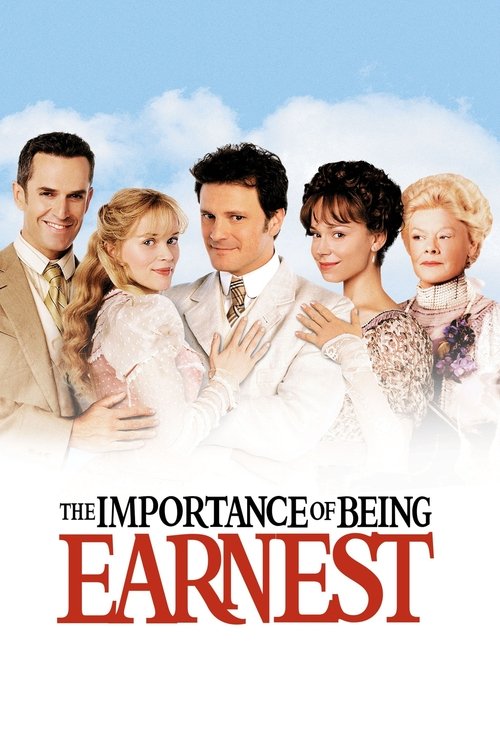
2002
1959
2001
1993
1989

1992
No reviews yet. Be the first to share your thoughts on this movie!
Use the rating form above to leave a star rating and optional review.