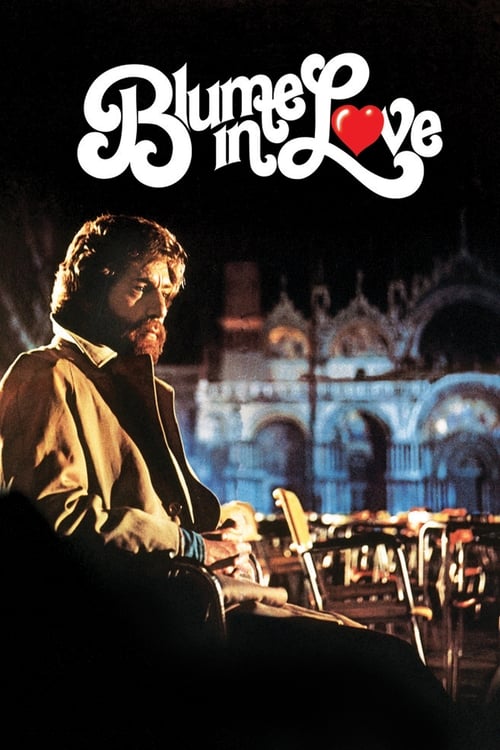
Blume in Love
1973
No user ratings available yet
Representation score: 5.8 out of 10
Representation Score
Fair
1989
RDirector
Paul Mazursky
Runtime
119 minutes
Average Rating
No ratings yetNew Showbiz Analysis
Paul Mazursky’s film serves as a psychological character study rather than a broad demographic representation. It successfully challenges traditional gender roles and embraces moral relativism, which questions the sanctity of the nuclear family unit. However, the film falls short in representing diverse racial, ethnic, and LGBTQ+ identities. Its narrative remains confined to a specific socioeconomic context typical of late-80s domestic dramas. Ultimately, the film’s value lies in its exploration of complex interpersonal dynamics rather than its inclusivity of diverse identities.
Category Breakdown
The film focuses exclusively on heterosexual relationships and does not include any LGBTQ+ characters or non-binary gender identities.
The story emphasizes the emotional strength of the female protagonist, challenging traditional gender roles. It highlights the male lead's emotional complexity, moving away from the typical strong, silent type.
The cast is predominantly white and middle-class, with no diverse ethnic backgrounds or race-bent casting.
The narrative avoids strict moral judgments by showing the nuclear family as a source of conflict. It favors situational ethics over the idealized sanctity of marriage.
The film does not include any characters with visible or invisible disabilities, nor does it address neurodivergence or physical disabilities.
Present on Screen
Limited or Absent
Official Synopsis
A ghostwriter finds himself romantically involved with his current wife, a married woman and his long-vanished wife.
1973

1970
1992
1989
1980
1972
1995
1988
No reviews yet. Be the first to share your thoughts on this movie!
Use the rating form above to leave a star rating and optional review.