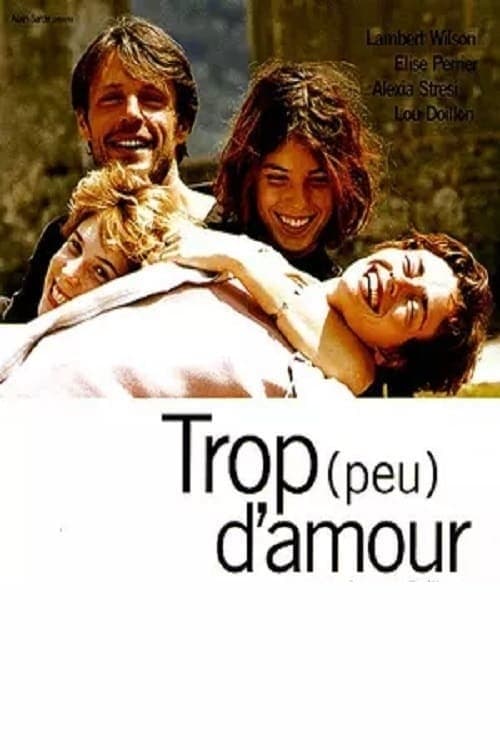
Too Much (Little) Love
1998
No user ratings available yet
Representation score: 4.8 out of 10
Representation Score
Fair
2001
Director
Jacques Doillon
Runtime
97 minutes
Average Rating
No ratings yetNew Showbiz Analysis
Jacques Doillon’s film centers on psychological character development, emphasizing interpersonal relationships over genre conventions. It disrupts traditional gender power dynamics by putting women in strategic leadership roles. However, the film’s narrow focus on a Eurocentric Parisian setting and lack of explicit LGBTQ+ identities limit its inclusivity. Ultimately, the work excels in exploring emotional fluidity but falls short in providing a broad range of diverse representations.
Category Breakdown
The film explores a romantic relationship involving three people, challenging traditional romance through emotional connections. However, it doesn't clearly show non-straight or non-cisgender identities.
Female characters Fred and Sylvia play key roles in driving the plot. They challenge the damsel-in-distress cliché by showing intelligence and strategic thinking, surpassing the male lead.
The story focuses on a small, mostly white social circle in Paris. There is no indication of a diverse cast or intentional racial blending.
The story emphasizes personal desires and moral flexibility over societal or religious norms. It uses emotional confusion to create connections rather than traditional romantic ideals.
There is no evidence of physical or mental disabilities being portrayed in the film.
Present on Screen
Limited or Absent
Official Synopsis
In Paris, where he wields his money scams, Alex has an unexpected encounter with two girls: Fred, who’s nothing to do with his world and who he falls for straight away, and Sylvia – sweet, but lonely, Sylvia. To test Alex, Fred devises a curious game of seduction. Like a character out of a Marivaux play, she toys with setting up delightful obstacles necessary to Love’s flourishing: Sylvia must seduce Alex, and Alex, must in turn, truly desire Sylvia. But Fred gets caught in her own trap. She falls head over heels in love with Alex. However, he no longer knows who to choose, all the more so now that Sylvia is falling in love with him, too. During an eventful night of confusion and intrigue, crazy laughter and tears, our threesome come to realize that what really draws them together is an emotional bond: true love.
1998

1992
2012

2010
1998

2009
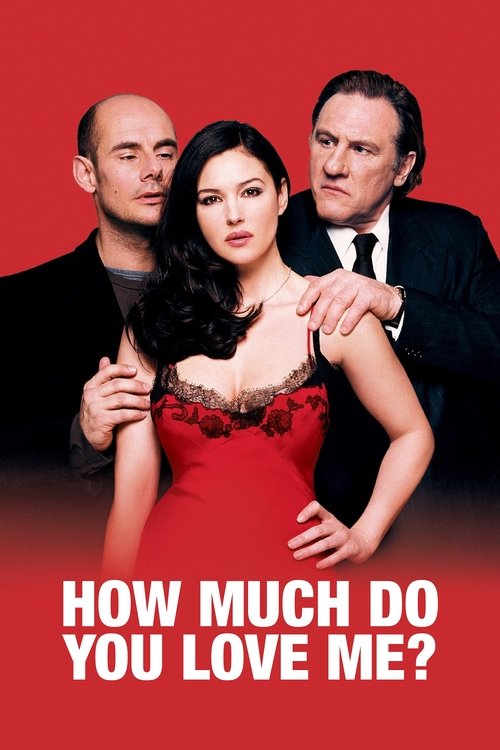
2005
2001
No reviews yet. Be the first to share your thoughts on this movie!
Use the rating form above to leave a star rating and optional review.