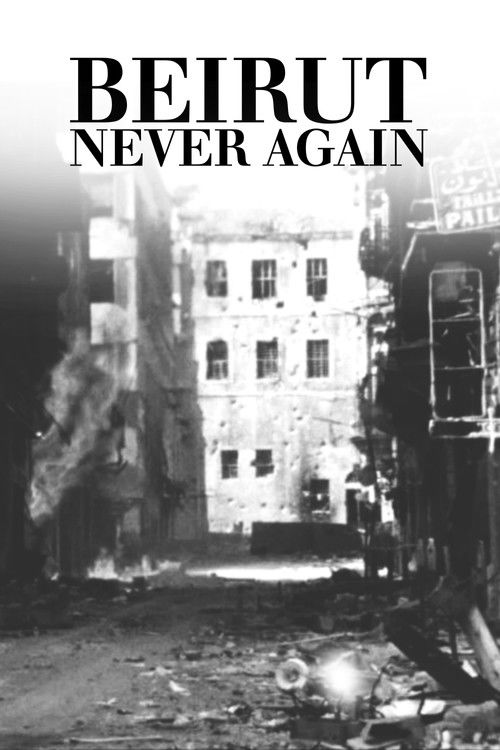
Beirut, Never Again
1976
No user ratings available yet
Representation score: 8.6 out of 10
Representation Score
Fair
1998
Director
Bahij Hojeij
Runtime
33 minutes
Average Rating
No ratings yetNew Showbiz Analysis
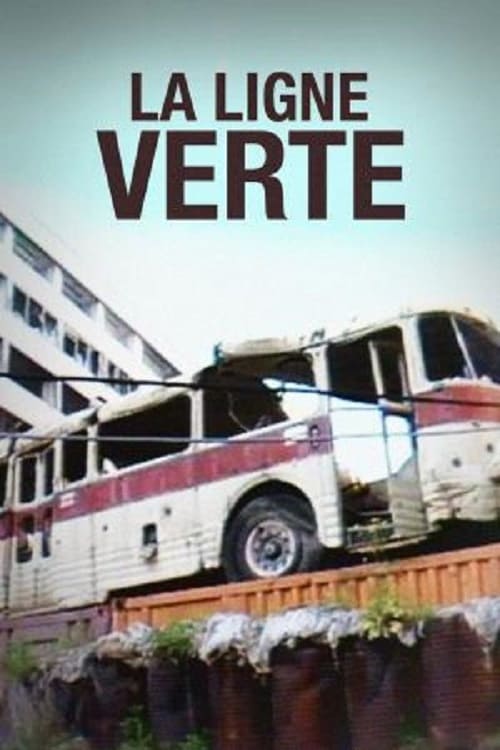
The Green Line is a sophisticated piece of observational cinema that breaks down the idea of a unified social fabric. It presents a complex view of a society defined by its fractures and the weaponization of identity. The film's strength lies in its ability to dismantle geopolitical boundaries and examine the systemic failures of wartime institutions. However, the focus remains heavily on territorial and sectarian conflict, resulting in a lack of visibility for LGBTQ+ identities and specific details regarding disability representation.
Category Breakdown
The film focuses on the territorial and sectarian divisions of Beirut. There is no explicit depiction of non-straight relationships within the story.
The documentary looks at how conflict affects both home and public spaces. It highlights the vulnerability and active roles of civilians, especially women and children, in a male-dominated military environment.
The film challenges the idea of a single national identity by exploring the mix of sectarian and ethnic identities. It offers a detailed look at Lebanon's diverse population.
The narrative questions the stability of traditional institutions and the collapse of state structures. It examines how broader social pressures and community divisions lead to societal fragmentation.
The film does not provide any specific details about the depiction of physical or neurodivergent disabilities.
Present on Screen
Limited or Absent
Official Synopsis
Bahij Hojeij’s documentary studies the infamous Green Line between east and west Beirut during the civil war.
1976

2011
1983

2024
1987
2008
1982
2023
No reviews yet. Be the first to share your thoughts on this movie!
Use the rating form above to leave a star rating and optional review.