Erotic Symphony
1980
No user ratings available yet
Representation score: 6.8 out of 10
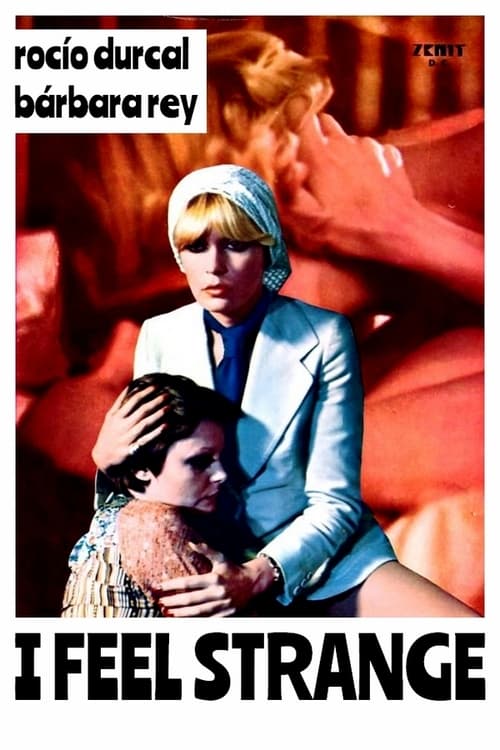
Representation Score
Fair
1977
Director
Enrique Martí Maqueda
Runtime
87 minutes
Average Rating
No ratings yetNew Showbiz Analysis
Enrique Martí Maqueda’s drama offers a progressive perspective on female empowerment during a time of strict social structures. By focusing on a woman escaping an abusive marriage to pursue a professional and emotional relationship with another woman, the film challenges traditional domestic hierarchies. The film’s strength lies in its thematic focus on liberation and the rejection of patriarchal control. It emphasizes the protagonist's autonomy and professional goals over preserving marital sanctity. However, the film’s scope is limited by a lack of visible diversity in terms of race and disability. While it successfully challenges gendered expectations, it remains silent on other multi-layered identities.
Category Breakdown
The film focuses on the emotional bond between Laura and Marta, emphasizing their female friendship over traditional romantic relationships. This bond challenges the era's expectations by prioritizing their connection over heterosexual norms.
Laura's journey highlights her professional independence and resistance against patriarchal control. The film portrays the domestic sphere as a source of trauma rather than stability, challenging traditional gender roles.
There is no information available regarding the racial composition of the cast or the presence of diverse ethnic backgrounds.
The narrative criticizes mainstream social respectability by focusing on the vedette lifestyle. Traditional marriage and the nuclear family are portrayed as potentially oppressive structures.
The provided material contains no documentation regarding the portrayal of physical, mental, or neurodivergent disabilities.
Present on Screen
Limited or Absent
Official Synopsis
Laura, a pianist who has left home to flee her abusive husband, meets Marta, a vedette with whom she will work on the preparation of her new show.
1980

1972
2004
1974
1970
1970
1979
1968
No reviews yet. Be the first to share your thoughts on this movie!
Use the rating form above to leave a star rating and optional review.