
MURDER and murder
1996
No user ratings available yet
Representation score: 5.9 out of 10
Representation Score
Fair
1979
Director
Nouchka van Brakel
Runtime
103 minutes
Average Rating
No ratings yetNew Showbiz Analysis
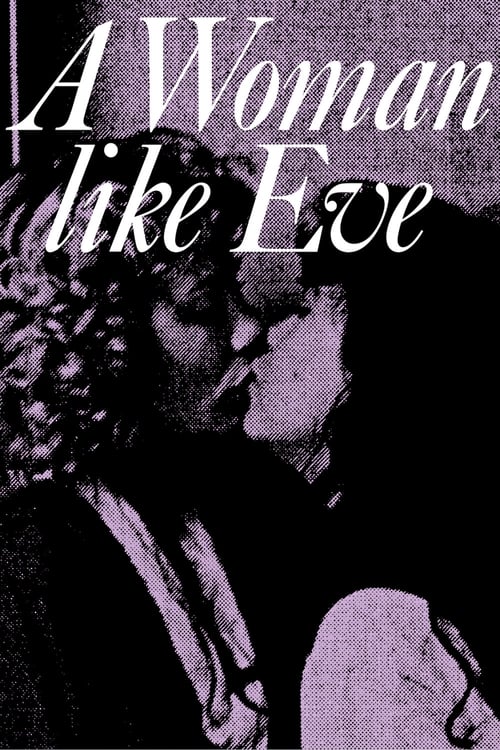
Nouchka van Brakel delivers a powerful feminist critique that centers female empowerment against the backdrop of restrictive social structures. The film excels in its subversion of traditional gender hierarchies and its exploration of non-traditional romantic identities. However, the film is demographically limited by its 1930s Dutch setting, resulting in a lack of racial and ethnic diversity. This homogeneity is a significant factor in the overall score. Ultimately, the film is a progressive piece of late 20th-century European cinema that prioritizes subjective experience over patriarchal stability.
Category Breakdown
The film challenges traditional expectations by focusing on a romantic relationship between the protagonist and a woman in a commune. This relationship serves as a catalyst for personal growth and independence.
Eve's journey highlights her intellectual and sexual empowerment over traditional domestic roles. The narrative portrays the role of a housewife as a source of stress rather than fulfillment, emphasizing Eve's desire for autonomy.
Set in a 1930s Dutch provincial environment, the film features a predominantly white European cast. The absence of diverse perspectives results in a very homogeneous demographic profile.
The story offers a sophisticated critique of Western bourgeois morality and religious institutions. It uses the protagonist's desires to challenge the restrictive social codes of her community.
There is no significant evidence regarding the portrayal of physical or neurodivergent disabilities in this work.
Present on Screen
Limited or Absent
Official Synopsis
A devoted yet stressed out housewife takes a holiday to relax, and falls in love with another woman: a guitar-playing hippie who lives in a commune.
1996
1965
1974

1985
1978
1966
1970
1969
No reviews yet. Be the first to share your thoughts on this movie!
Use the rating form above to leave a star rating and optional review.