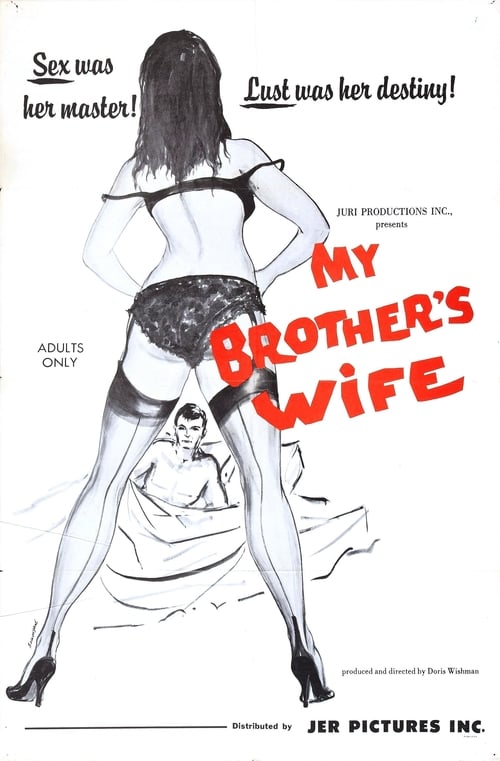
My Brother's Wife
1966
No user ratings available yet
Representation score: 2.9 out of 10
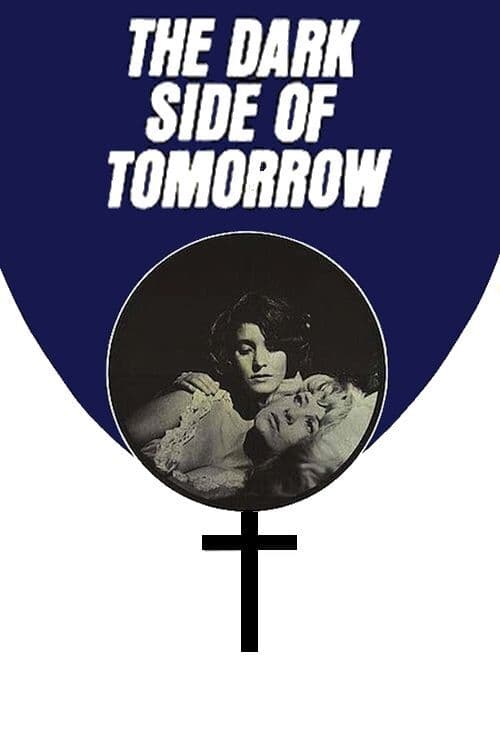
Representation Score
Fair
1970
RDirector
Jack Deerson, Barbara Peeters
Runtime
84 minutes
Average Rating
No ratings yetNew Showbiz Analysis
The film stands out for its progressive portrayal of queer intimacy and female empowerment during a time of changing social norms. By focusing on the emotional lives of its female characters, it challenges the traditional domestic roles of the 1970s. However, the work remains limited by a lack of racial diversity, reflecting the homogeneous suburban settings typical of era-specific dramas. This creates a narrow social lens that contrasts with its more radical explorations of gender and sexuality. Ultimately, the film is a character-driven study of identity that prioritizes individual autonomy over the stability of the traditional family unit.
Category Breakdown
The film focuses on a sexual encounter between two women, making their intimate relationship a key part of the story. This challenges the era's traditional views on sexual relationships.
The narrative emphasizes the internal lives and desires of housewives, rather than their roles as passive homemakers. Conflicts arise from the women's personal feelings and emotional complexity.
The story appears to focus on a homogeneous social environment typical of 1970s suburban dramas. There is no evidence of diverse casting or intentional racial blending within the narrative.
The film subtly critiques the traditional nuclear family by showing marriage as a source of boredom and stagnation. It explores the breakdown of conventional social and marital norms.
The film contains no visible or invisible representation of characters with disabilities.
Present on Screen
Limited or Absent
Official Synopsis
While their husbands are away on work trips, two bored housewives get together to commiserate. One thing leads to another, and they wind up in bed. For one of the women the incident was just a pleasant diversion, but for the other it's turned into a fixation, and when she sees her "lover" going after one of the male neighborhood hunks, things take a turn for the worse.
1966

1964
1972
1965
1979
1986

1970
1969
No reviews yet. Be the first to share your thoughts on this movie!
Use the rating form above to leave a star rating and optional review.