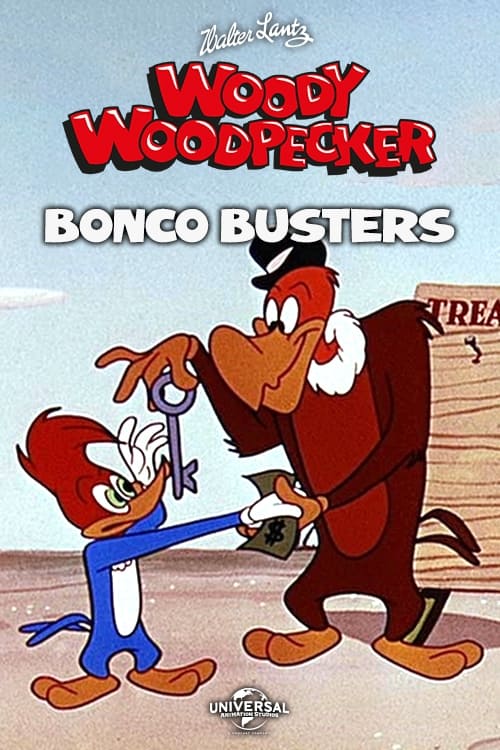
Bunco Busters
1955
No user ratings available yet
Representation score: 0.3 out of 10
Representation Score
Minimal
1945
NRDirector
Jack King
Runtime
8 minutes
Average Rating
No ratings yetNew Showbiz Analysis
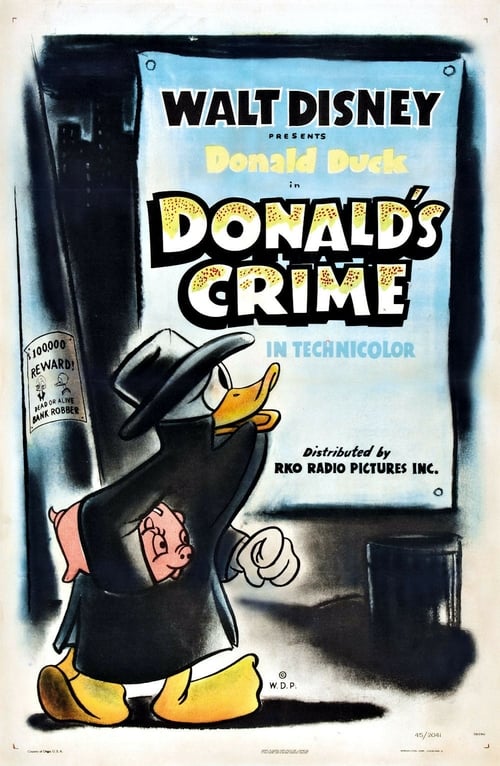
Donald's Crime is a product of mid-20th-century animation, prioritizing slapstick and character-driven humor over social subversion. The narrative relies on established archetypes and traditional social hierarchies common to the Disney studio system of the 1940s. The film's themes are deeply rooted in conventional Western morality and traditional gender norms. It explores individual accountability and masculine anxieties regarding financial stability without challenging broader societal norms. Ultimately, the work lacks diversity across most metrics, presenting a homogeneous world that reflects the limited social perspectives of its era.
Category Breakdown
The story focuses on a romantic relationship between Donald and Daisy, which follows the typical heterosexual norms of the 1940s.
Donald's struggle revolves around his inability to fulfill a traditional provider role. Daisy serves as a catalyst for his guilt but remains passive in the plot.
The cast is homogeneous, reflecting the era's lack of diverse representation. There is no evidence of racial blending or diverse casting within the animation.
The narrative centers on Western ethical standards regarding guilt and familial trust. It reinforces traditional morality through Donald's remorse over stealing from his nephews.
No characters are depicted with visible or invisible disabilities. There is no evidence of disability being used as a plot device.
Present on Screen
Limited or Absent
Official Synopsis
On the night he promised to take Daisy out, Donald Duck discovers he's broke. Desperate for spending money, he gets it in the last place he knows: his three nephews' piggy bank. After their night out, Daisy thanks the 'rich' big spender, which only makes Donald remember how penniless and remorseful he is. What ensues is Donald's guilt (and imagination) taking him on a nerve-wracking ride in the role of a wanted man.
1955
1938
1954
1957
1948
1946
1969
1954
No reviews yet. Be the first to share your thoughts on this movie!
Use the rating form above to leave a star rating and optional review.