Aurora's Sunrise
2023
No user ratings available yet
Representation score: 6.8 out of 10
Representation Score
Good
2013
TV-PGRuntime
90 minutes
Average Rating
No ratings yetNew Showbiz Analysis
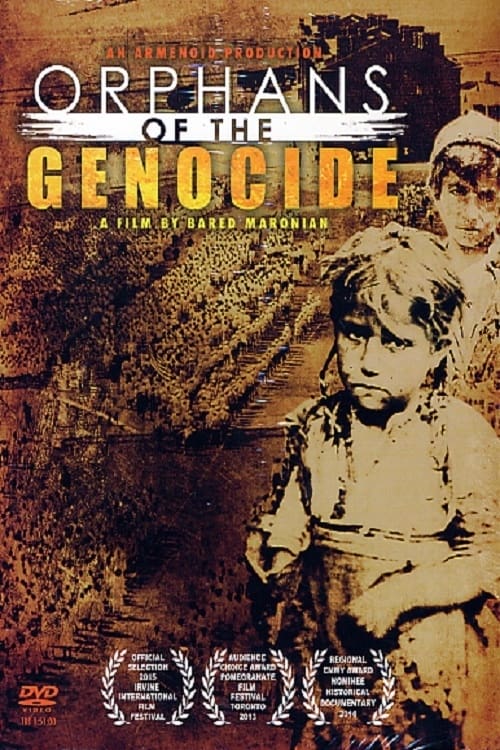
Orphans of the Genocide serves as a restorative historical tool, centering the voices of Armenian survivors through memoirs and archival footage. It successfully disrupts mainstream Western historical canons by focusing on the displacement and rescue of over 150,000 orphans. The film's strength lies in its ethnic and cultural depth, providing a platform for a underrepresented group to reclaim their narrative. It moves beyond political history to explore the domestic and maternal resilience of women, such as Satenig. However, the documentary is narrow in scope. It lacks representation for LGBTQ+ identities and does not provide specific, agentic portrayals of individuals with disabilities, focusing instead on the broader historical trauma.
Category Breakdown
The documentary focuses on historical ethnic genocide and humanitarian rescue efforts. It contains no visible representation of LGBTQ+ identities or narratives.
The film highlights the resilience of women through survivor memoirs. By centering Satenig’s life, the narrative prioritizes maternal resilience over traditional male-dominated military histories.
This work excels by centering the Armenian experience, an ethnic group often sidelined in Western history. It provides a significant role in driving the story to a underrepresented population through archival footage.
The film challenges Western-centric perspectives by exploring systemic violence and international intervention. It connects historical trauma to modern moral complexities through the lineage of Dr. Jack Kevorkian.
While the film does not focus on specific physical disabilities, the trauma of genocide implies profound psychological challenges. However, characters with disabilities lack explicit ability to act.
Present on Screen
Limited or Absent
Official Synopsis
Orphans of the Genocide is an eye-opening visual journey through never-before-seen archival footage and discovered memoirs of orphans who lived through the the Armenian Genocide of 1915. Over 150,000 orphans were rescued by American and Scandinavian organizations. One of these orphans was Satenig, the mother of American pathologist and euthanasia proponent Dr. Jack Kevorkian.
2023
1998
2010
2014

2006
1988

2009
1919
No reviews yet. Be the first to share your thoughts on this movie!
Use the rating form above to leave a star rating and optional review.