
The Armenian Genocide
2006
No user ratings available yet
Representation score: 3.9 out of 10
Representation Score
Fair
2010
Director
Eric Friedler
Runtime
90 minutes
Average Rating
No ratings yetNew Showbiz Analysis
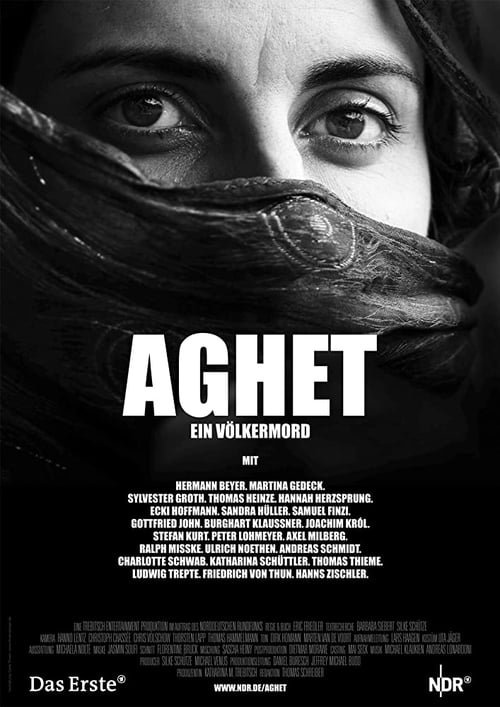
Aghet serves as a powerful tool for historical reclamation, centering the ethnic identity of a disenfranchised population. By utilizing eyewitness reports from survivors and international observers, the film successfully challenges dominant state-sponsored narratives of the Ottoman Empire. While the documentary excels in ethnic and cultural representation, it remains neutral regarding gender and sexual identity. The focus is strictly on the systemic violence of the genocide rather than exploring non-straight or gender-challenging themes. Ultimately, the film's strength lies in its commitment to ethnic ability to act and its deconstruction of institutionalized oppression, making it a vital piece of historical documentation.
Category Breakdown
The film focuses on the historical realities of the Armenian Genocide and does not include any characters or narratives related to LGBTQ+ identities.
The film relies on eyewitness accounts that likely include female perspectives of systemic upheaval. However, it does not explicitly aim to challenge traditional gender hierarchies.
The documentary centers the lived experiences of Armenians against an oppressive state structure. It uses survivor testimony to disrupt monolithic, state-favored historical accounts.
The film critiques the Young Turk government by prioritizing underrepresented truths over official state history. It uses modern actors to facilitate a critique of historical power dynamics.
There is no information available regarding the portrayal of physical or neurodivergent disabilities in this documentary.
Present on Screen
Limited or Absent
Official Synopsis
2010 documentary film on the Armenian Genocide by the Young Turk government of the Ottoman Empire during World War I. It is based on eyewitness reports by European and American personnel stationed in the Near East at the time, Armenian survivors and other contemporary witnesses which are recited by modern German actors.
2006
1998

2023
1985

2022
2012
2011
2014
No reviews yet. Be the first to share your thoughts on this movie!
Use the rating form above to leave a star rating and optional review.