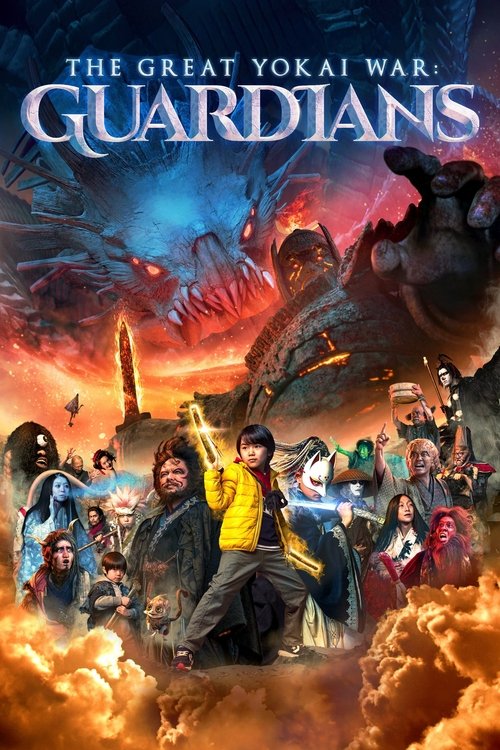
The Great Yokai War: Guardians
2021
No user ratings available yet
Representation score: 6.9 out of 10

Representation Score
Fair
2005
PG-13Director
Takashi Miike
Runtime
124 minutes
Average Rating
No ratings yetNew Showbiz Analysis
The film operates as a conventional fantasy adventure that relies on mythological metaphors for diversity. While the yōkai offer a broad range of non-human identities, the human elements remain largely traditional and homogeneous. The narrative adheres to established genre clichés, particularly regarding the 'chosen one' archetype and gender roles. It avoids harmful stereotypes but does not actively engage with or disrupt contemporary social hierarchies or identity politics. Ultimately, the film's diversity is found in its supernatural cast rather than in its social commentary. It prioritizes a classic hero's journey over a deep exploration of lived human experiences or systemic representation.
Category Breakdown
The film follows a typical coming-of-age storyline for a young male protagonist and does not include any non-cisgender identities or same-sex romantic relationships, sticking to traditional structures.
The female lead shares the protagonist's supernatural abilities, but the character dynamics follow standard adventure clichés. These roles support the hero's journey without challenging traditional hierarchies.
The film uses yōkai as metaphors for 'the other,' offering a range of visual and cultural identities. While the human cast is largely homogeneous, the supernatural entities provide diverse non-human identities.
This is a traditional fantasy story emphasizing bravery and community. It avoids critiques of Western institutions and presents a world with clear moral boundaries.
The protagonist's unique perception is framed as a 'chosen one' supernatural gift, which leans towards a standard fantasy device rather than a nuanced portrayal of neurodivergence or sensory disability.
Present on Screen
Limited or Absent
Official Synopsis
A young boy with a troubled home life becomes "chosen," and he stumbles into the middle of a great war of yōkai (a class of mythological creatures), where he meets a group of friendly yōkai who become his companions through his journey. Now he must fight to protect his friends and free the world of the yōkai from oppression.
2021
2019
2020
1989
2012
2015
2016
2014
No reviews yet. Be the first to share your thoughts on this movie!
Use the rating form above to leave a star rating and optional review.