
It's Not Me, I Swear!
2008
No user ratings available yet
Representation score: 6.6 out of 10
Representation Score
Fair
1993
Director
Todd Haynes
Runtime
30 minutes
Average Rating
No ratings yetNew Showbiz Analysis
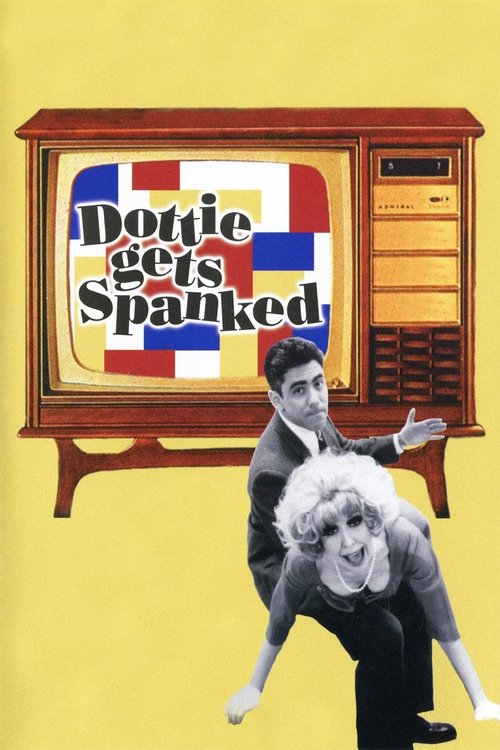
Todd Haynes uses a 1960s setting to explore the tension between individual identity and societal conformity. The story revolves around a young boy's fascination with a female TV icon, which serves as a lens to examine gender performance and the pressures of traditional masculinity. The film offers a sophisticated critique of mid-century social norms, highlighting the conflict between personal identity and the rigid structures that enforce conformity. While it excels in critiquing gender norms and cultural expectations, it does not provide evidence of racial or ethnic diversity within the narrative.
Category Breakdown
The film examines a young boy's interest in a female TV icon, which challenges the traditional gender roles of the 1960s. This exploration suggests a nuanced look at how gender expression can develop outside conventional norms.
The movie focuses on how a young boy's interests challenge traditional masculine norms. The father's concern highlights the pressure to conform to societal expectations of masculinity.
The narrative appears focused on a specific domestic American experience. There is no evidence of a diverse cast or multi-layered racial dynamics within the provided context.
The film critiques the restrictive institutions of pre-hippie America and prioritizes individual eccentricity over the social cohesion of the mid-century nuclear family.
There is no information available regarding the portrayal of neurodivergence or physical disabilities in this work.
Present on Screen
Limited or Absent
Official Synopsis
A six-year-old boy in pre-hippie 1960s United States endures ridicule from his schoolmates and worry from his father over his fixation with a TV star named Dottie.
2008
1980

1994

1976

1975

1976

2001
2004
No reviews yet. Be the first to share your thoughts on this movie!
Use the rating form above to leave a star rating and optional review.