
Narsimha
1991
No user ratings available yet
Representation score: 2.4 out of 10
Representation Score
Minimal
1991
Director
K. Ravi Shankar
Average Rating
No ratings yetNew Showbiz Analysis
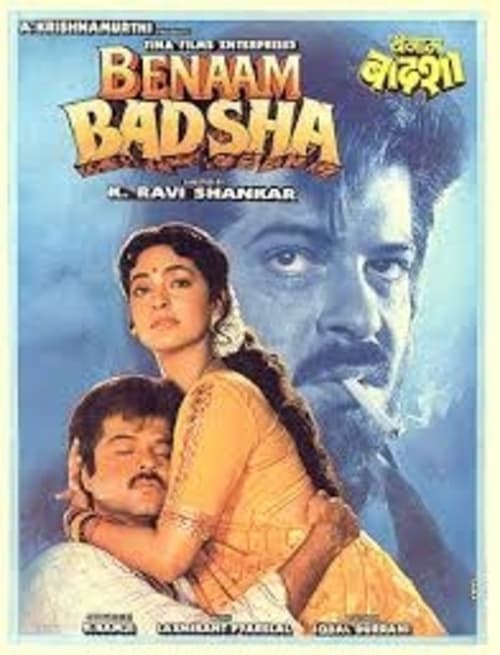
Benaam Badsha is a traditional action-drama that deals with crime and social reintegration. Its reliance on extreme violence and patriarchal dominance limits its progressive potential. While the female lead shows significant tactical intelligence, the narrative remains tied to traditional gender roles. The focus is on individual redemption rather than challenging systemic power structures. Ultimately, the film prioritizes moral transformation and social honor over diverse representation or subverting established social hierarchies.
Category Breakdown
The film focuses solely on heterosexual relationships and traditional marriages. It does not include any non-binary gender identities or critiques of heterosexuality.
The story revolves around extreme gender-based violence. Despite Jyoti's efforts to reform her rapist, the film leans on problematic narratives where victims become redeemers.
As a domestic Indian production, the film features a homogeneous ethnic cast. It operates within its cultural context without relying on external racial stereotypes.
The story explores socioeconomic instability through characters living in ruins. It emphasizes individual moral transformation and social honor rather than critiquing traditional institutions.
The film does not depict any physical or neurodivergent disabilities.
Present on Screen
Limited or Absent
Official Synopsis
Found in a garbage bin, abandoned by his biological parents, a young man grows up to a paid assasin, kidnapper, and rapist (Anil Kapoor). One of his rape victims' is Jyoti (Juhi Chawla), who is raped on the day of her marriage to a doctor groom. Her life ruined, unwed, she decides to convince her rapist to marry her, and goes to live in his neighborhood. But her rapist will not marry her, however, she continues to pursue her goal, and after feigning a pregnancy she does convince him to allow her to move in with him - amongst ruins, without a roof. She soon starts to transform him, with considerable success. She names him Deepak, so that he has a name others can call him by. Deepak receives a contract to kill Kaameshwari (Rohini Hattangadi) by Jaikal (Amrish Puri).
1991

1973
1993

2005
1990
1999

2011

1991
No reviews yet. Be the first to share your thoughts on this movie!
Use the rating form above to leave a star rating and optional review.