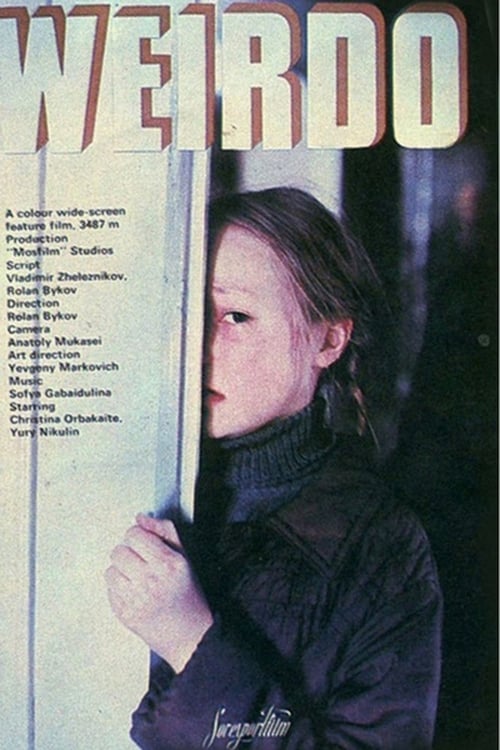
Scarecrow
1983
No user ratings available yet
Representation score: 7.8 out of 10
Representation Score
Fair
1982
Director
Viktor Volkov
Runtime
67 minutes
Average Rating
No ratings yetNew Showbiz Analysis
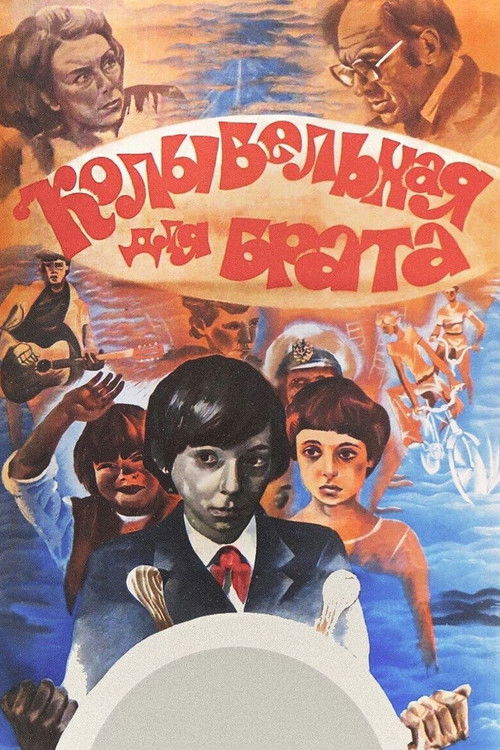
Lullaby for Brother is a character-driven drama that explores social ability to act and the subversion of peer-group hierarchies. It moves away from standard adolescent clichés by focusing on empathy and the protection of underrepresented individuals. However, the film lacks explicit markers of the way different parts of someone's identity overlap. The narrative is heavily centered on male social dynamics, limiting the breadth of its representation. Ultimately, the work functions as a study of interpersonal loyalty within a relatively homogeneous social structure.
Category Breakdown
The film does not explicitly depict LGBTQ+ identities or relationships outside of the assumption that everyone is straight or cisgender. It focuses on the friendship between Kirill and Chirok, without critiquing straight-centered assumptions.
The narrative emphasizes male-centric social structures and seventh-grade boy dynamics. Though it avoids reinforcing patriarchal dominance through themes of empathy, there are no female characters, suggesting a traditional gender focus.
The cast likely reflects a relatively homogeneous ethnic background typical of 1982 Soviet cinema. There is no specific evidence of multi-ethnic casting or diverse ethnic representation within the setting.
The film explores moral subjectivity by prioritizing personal loyalty over institutional justice. It offers a subtle critique of social labeling through the depiction of yard hooligans and social outcasts.
There is no explicit evidence to confirm physical or neurodivergent disabilities. While Chirok is described as defenseless, this remains a personality descriptor rather than a confirmed representation of disability.
Present on Screen
Limited or Absent
Official Synopsis
Every year in the summer the guys meet in order to go on another sailing trip. All of them were very lucky to have faithful and devoted friends. But the seventh grader Kirill is keenly aware of the lack of friendship in his class. He especially felt this when he was accused of stealing a wallet. Kirill himself found a thief — he turned out to be a quiet and defenseless Chirok, following the courtesy of yard hooligans. Taking Chirok under his protection, Kirill managed to fend for himself and his new friend.
1983
1961
2002
2000
1997

1980
1983
2010
No reviews yet. Be the first to share your thoughts on this movie!
Use the rating form above to leave a star rating and optional review.