BrainWaves
1983
No user ratings available yet
Representation score: 3.5 out of 10
Representation Score
Limited
1984
RDirector
Nico Mastorakis
Runtime
106 minutes
Average Rating
No ratings yetNew Showbiz Analysis
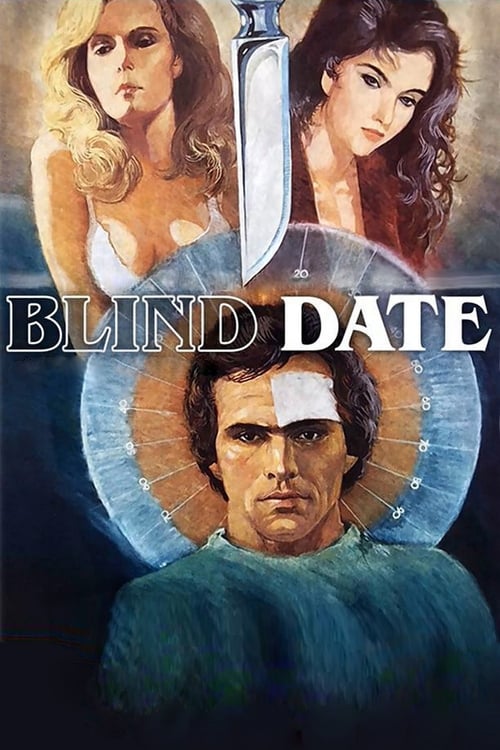
Blind Date is a conventional 1980s thriller that prioritizes genre clichés over social exploration. The narrative structure relies on established hierarchies, focusing on a male protagonist and a predatory male antagonist. Representation is limited by the film's adherence to the slasher genre's standard dynamics. Female characters are largely relegated to the role of victims, and the cast lacks significant racial or cultural diversity. The film's primary engagement with identity is through the protagonist's blindness. While this provides a unique narrative engine, the character's role is closely tied to the thriller plot's demands.
Category Breakdown
The film follows a strictly heterosexual and cisgender storyline. The plot revolves around male romantic obsession and the relationship between a male killer and female victims.
Female characters mainly serve as passive victims of the antagonist's violence. The power dynamics focus on male-driven conflict, reinforcing traditional 1980s gender roles.
The cast appears relatively uniform, typical of mid-1980s Western genre films. The urban setting serves as a suspenseful backdrop without highlighting ethnic diversity.
The narrative avoids broader sociological commentary or critiques of Western institutions. It centers on individual psychological trauma without deconstructing social or religious structures.
Blindness drives the central plot and tension. While the protagonist risks being defined solely by his impairment, an experimental device provides him with some technological capabilities.
Present on Screen
Limited or Absent
Official Synopsis
A man goes blind when remembering his lost girlfriend, but the doctors can't find anything wrong with his eyes. They fit him with an experimental device which allows him to see with the aid of a computer interface and brain electrodes. Meanwhile, a taxi driver is taking young women up to their apartments, giving them gas, and performing a little fatal amateur surgery on them. Their paths inevitably converge, and the blind man must try to stop the psychopath.
1983
1987
1988
1960
1981
1983
1962
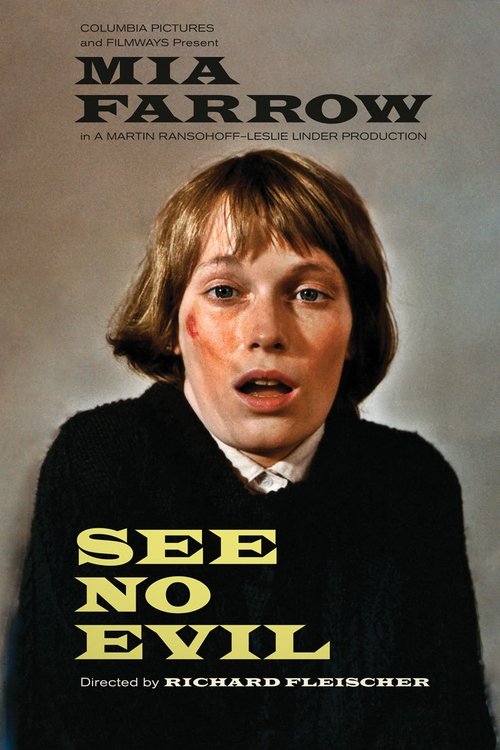
1971
No reviews yet. Be the first to share your thoughts on this movie!
Use the rating form above to leave a star rating and optional review.