Jimmy's Hall
2014
No user ratings available yet
Representation score: 3.7 out of 10
Representation Score
Good
2003
TV-MADirector
Aisling Walsh
Runtime
94 minutes
Average Rating
No ratings yetNew Showbiz Analysis
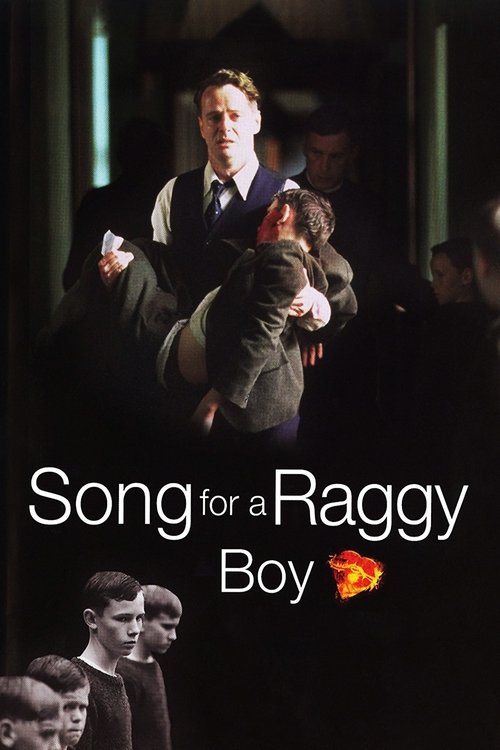
Song for a Raggy Boy critically examines the authority and abuse within religious institutions in mid-20th-century Ireland. It portrays these institutions as sites of systemic oppression rather than moral guidance. The film's strength lies in its refusal to idealize historical authority. Instead, it emphasizes the systemic harm inflicted by powerful institutions, prioritizing individual truth over religious doctrine. While the film lacks explicit diversity regarding race or LGBTQ+ identity, it effectively critiques traditional Western hierarchies and the economic struggles of the Irish working class.
Category Breakdown
The film does not include explicit stories about LGBTQ+ individuals or non-binary genders. It focuses on suppressing emotions among boys but doesn't give LGBTQ+ characters much influence or control.
The story shows a strict, male-dominated system where toughness is enforced through punishment. Characters are defined by their roles in this rigid structure rather than by challenging it.
This historical drama focuses on the economic struggles of Irish workers. It avoids a uniform focus by centering on the underrepresented, troubled youth of a specific social group.
The story heavily criticizes the Catholic Church, showing religious leaders as corrupt and oppressive. It highlights the moral hypocrisy and situational ethics of the clergy.
The film shows the psychological trauma and emotional vulnerability of children. However, these issues are presented as results of institutional abuse rather than through a lens of neurodivergent identity.
Present on Screen
Limited or Absent
Official Synopsis
William Franklin is a teacher who was born in Ireland and moved to the United States only to repatriate in 1939 after his leftist political views cause him to lose his job. Franklin becomes the first non-cleric instructor at St. Jude's, a school for wayward boys run by Brother John, who is a firm believer in strong discipline.
2014

2010
2008
1967
2002
1969
2001

1997
No reviews yet. Be the first to share your thoughts on this movie!
Use the rating form above to leave a star rating and optional review.