Song for a Raggy Boy
2003
No user ratings available yet
Representation score: 7.1 out of 10
Representation Score
Limited
2014
PG-13Director
Ken Loach
Runtime
106 minutes
Average Rating
No ratings yetNew Showbiz Analysis
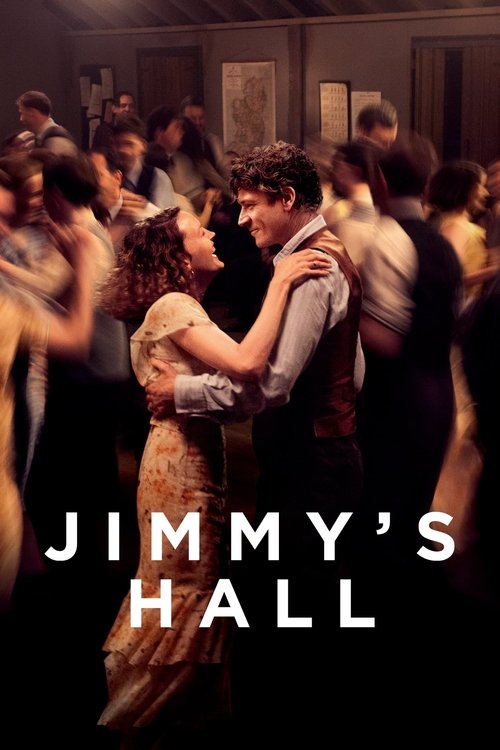
Ken Loach delivers a social realist critique of institutional power. The film finds its strength in its progressive stance against centralized authority, framing the community hall as a site of resistance against religious and state intrusion. However, the film lacks demographic breadth. It operates within a narrow historical lens that excludes LGBTQ+ identities and racial diversity, adhering strictly to the homogeneous nature of 1930s rural Ireland. Ultimately, the work trades traditional demographic representation for a deep, thematic exploration of communal autonomy versus systemic imposition.
Category Breakdown
The film focuses on the socio-political upheavals of 1930s rural Ireland. There is no presence of LGBTQ+ characters or non-straight relationships within the narrative.
Society is depicted through traditional mid-century hierarchies. Women play a vital role in maintaining social fabric and communal cohesion, but the film does not actively challenge patriarchal structures.
The cast is ethnically homogeneous, reflecting the specific historical and geographic context of a rural Irish village. It does not utilize diverse casting or explore multiple racial backgrounds.
The film excels in critiquing traditional Western institutions. It portrays religious authority as a force of social disruption and surveillance rather than a source of moral guidance.
There are no prominent depictions of physical or neurodivergent disabilities that serve as central character arcs or plot drivers.
Present on Screen
Limited or Absent
Official Synopsis
In Depression-era Ireland, Jimmy Gralton returns home after a decade's exile in America. Witnessing the levels of poverty and oppression, his inner activist reawakens and he seeks to reopen the dance hall that led to his deportation.
2003

1937
2002

2015
2008
2008

2013

2017
No reviews yet. Be the first to share your thoughts on this movie!
Use the rating form above to leave a star rating and optional review.