
In America
2003
No user ratings available yet
Representation score: 6.9 out of 10
Representation Score
Fair
1999
RDirector
Alan Parker
Runtime
145 minutes
Average Rating
No ratings yetNew Showbiz Analysis
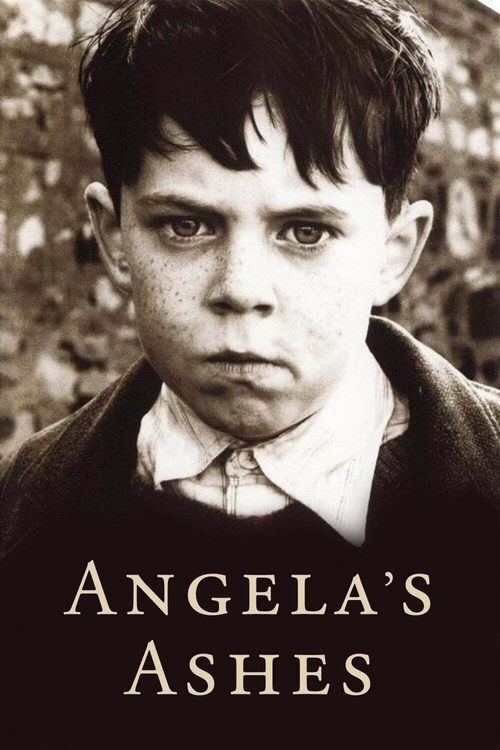
Angela's Ashes is a gritty, realist study of class and systemic failure. It effectively challenges traditional authority figures such as the patriarch and the Church. However, the film remains confined within a historically homogeneous context, lacking representation of LGBTQ+ identities or racial diversity. Physical disability is portrayed as a consequence of poverty rather than an empowered identity.
Category Breakdown
The film focuses on a traditional, straight-centered family without any presence of LGBTQ+ identities or non-assuming gender matches what was assigned at birth characters.
The film challenges traditional male dominance by showing the father as ineffective and destructive. However, it reinforces gender roles by emphasizing the female lead's role in domestic survival.
Set in 1930s Ireland, the film maintains ethnic homogeneity, focusing on the socioeconomic struggles of the Irish working class without addressing racial diversity.
The narrative critiques the Catholic Church as an oppressive force, framing the family's struggles as a result of failed economic and religious systems.
Physical frailty is used to indicate malnutrition and poverty, with characters lacking independent ability to act related to their disabilities, which are tied to socioeconomic conditions.
Present on Screen
Limited or Absent
Official Synopsis
An Irish Catholic family returns to 1930s Limerick after a child's death in America. The unemployed I.R.A. veteran father struggles with poverty, prejudice, and alcoholism as the family endures harsh slum conditions.
2003

1945

1994

1990

1997
2003

1940

1998
No reviews yet. Be the first to share your thoughts on this movie!
Use the rating form above to leave a star rating and optional review.