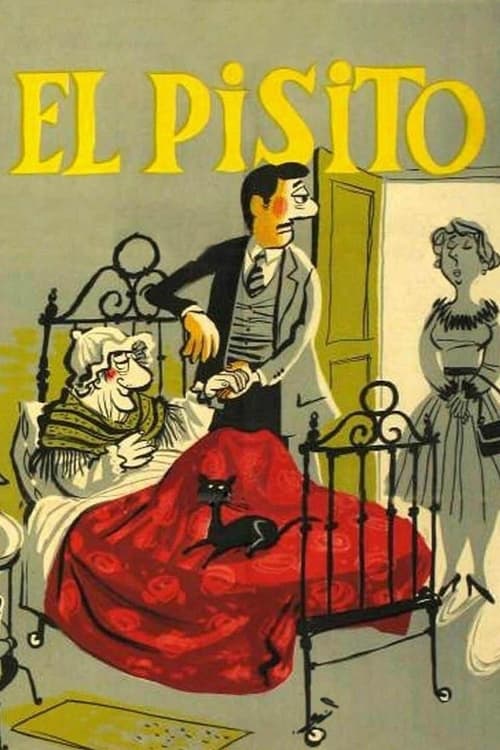
The Little Apartment
1959
No user ratings available yet
Diversity score: 5.0 out of 10

1963
Director
Daniel Tinayre
Runtime
101 minutes
Average Rating
No ratings yetSynopsis
The vicissitudes of six different couples who arrive at a hostel in Buenos Aires called La Cigarra and are quarantined because of a supposed bubonic plague, causing all kinds of inconveniences and entanglements as a result of this forced coexistence.
Overall Score
Fair
Category Breakdown
LGBTQ+ Representation
The film centers on the romantic entanglements of six heterosexual couples. It lacks explicit non-cisnormative identities or narratives designed to critique heteronormativity through a queer lens.
Gender Representation
Women demonstrate significant agency, using intellect and psychological manipulation to navigate power dynamics. Conversely, men are often portrayed in states of vulnerability, chaos, or comedic ineptitude.
Racial & Ethnic Diversity
The cast reflects the socioeconomic demographics of 1960s Buenos Aires. The narrative focuses on class-based friction rather than prioritizing racial blending or intersectional diversity.
Religious & Cultural Diversity
The story offers a secular critique of Western institutions and the capitalist leisure class. It replaces traditional religious or patriotic ideals with situational ethics and moral relativism.
Disability Representation
The plot does not feature characters with visible or invisible disabilities as central agents. The narrative focuses on psychological pathologies rather than physical or neurodivergent representation.
Strengths
Areas for Improvement
AI Analysis
The film functions as a cynical microcosm of social breakdown, using a quarantine setting to strip away the veneer of upper-class stability. While it adheres to the demographic norms of its era, it subverts them through character dynamics. Its primary strength lies in its gender subversion and its critique of traditional morality. By undermining masculine authority and empowering female intellect, the film challenges the standard social hierarchies of the 1960s. However, the film remains limited by its lack of queer representation and its narrow focus on a localized, class-based ensemble. It prioritizes psychological tension over broader intersectional or physical diversity.
1959

2015

1966

2018

2018
1987
1992
1978

2006

1976
1986
1986
No reviews yet. Be the first to share your thoughts on this movie!
Use the rating form above to leave a star rating and optional review.