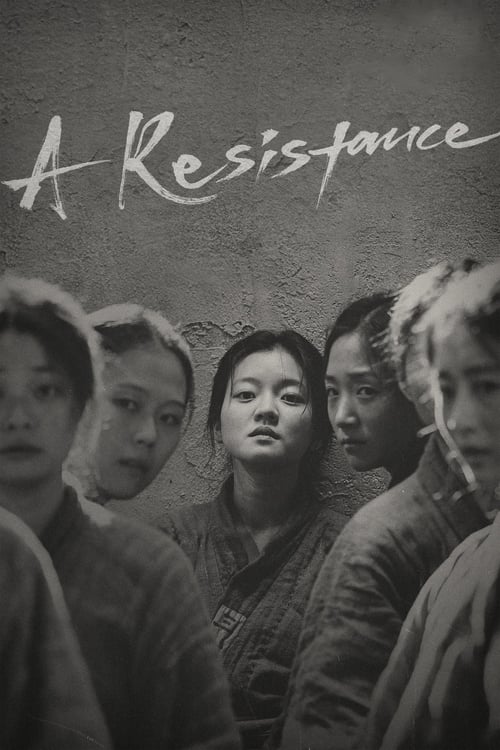
A Resistance
2019
No user ratings available yet
Representation score: 6.4 out of 10

Representation Score
Fair
2019
Director
Eom Yu-na
Runtime
135 minutes
Average Rating
No ratings yetNew Showbiz Analysis
MAL·MO·E: The Secret Mission is a powerful film about reclaiming history. It centers on the preservation of the Korean language during the Japanese occupation, highlighting linguistic sovereignty as a crucial tool for cultural survival. The film's strength lies in its strong post-colonial narrative. By focusing on the compilation of a dictionary, it elevates intellectual resistance as a primary form of fighting against imperialist erasure. While the film doesn't focus on contemporary issues of gender or sexuality, it effectively challenges imperialist hierarchies by highlighting the ability to act of a underrepresented group fighting to preserve their identity.
Category Breakdown
The film doesn't include any explicit LGBTQ+ characters or stories involving non-straight relationships. The focus is on the collective struggle for national and linguistic identity.
The story presents a more egalitarian distribution of influence among its characters. It moves away from traditional male-dominated leadership by showing diverse individuals participating in the resistance movement.
The film does an excellent job of depicting ethnic identity through a post-colonial perspective. It centers on the Korean people's fight to maintain their language and culture against an occupying empire.
The film's core theme criticizes imperialist expansion and systemic oppression. It emphasizes the preservation of indigenous culture over the imposition of foreign dominance.
There is no significant depiction of physical or neurodivergent disabilities in the film.
Present on Screen
Limited or Absent
Official Synopsis
During the Japanese occupation of Korea, the Japanese Empire seeks to eradicate the Korean language and identity. In retaliation, a small group of Korean patriots try to protect their language by compiling the first Korean language dictionary.
2019
2017

2008

2021
2019
2019

2024

2022
No reviews yet. Be the first to share your thoughts on this movie!
Use the rating form above to leave a star rating and optional review.