Seven and a Half
2006
No user ratings available yet
Representation score: 4.7 out of 10
Representation Score
Limited
1952
Director
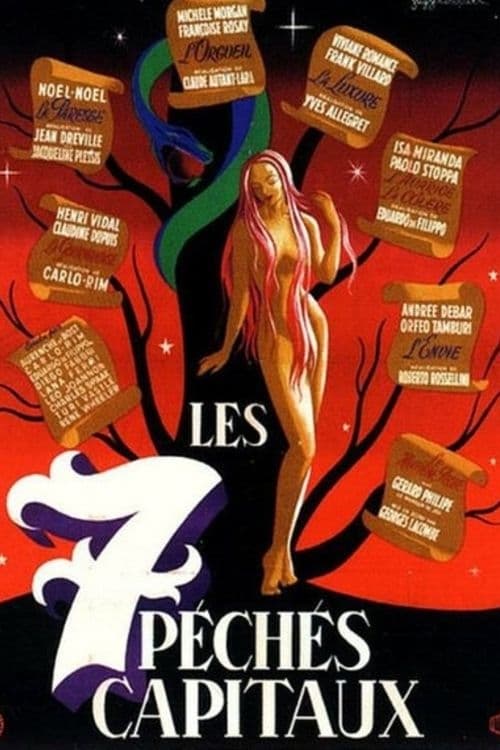
Yves Allégret, Roberto Rossellini, Claude Autant-Lara, Jean Dréville, Carlo Rim, Eduardo De Filippo, Georges Lacombe
Runtime
148 minutes
Average Rating
No ratings yetNew Showbiz Analysis
This anthology film functions as a series of moralistic vignettes exploring human frailty. Structured around theological concepts, the narrative focuses on universal sins rather than diverse identity-based arcs. The production is a product of its mid-century European context, resulting in a cast and thematic focus that aligns with the demographic norms of the 1950s. It lacks progressive disruption of social hierarchies. While the film explores the complexities of human nature, it does so through a traditional lens that offers little representation for underrepresented groups or non-straight-centered identities.
Category Breakdown
The film focuses on conventional romantic and carnal impulses. There is no explicit exploration of LGBTQ+ identities or critiques of heterosexual norms.
Narratives often rely on traditional gender roles to illustrate moral decay. Women may exercise a significant role through temptation, but the film largely adheres to mid-century cinematic archetypes.
Casting reflects the post-war European landscape of 1952. The film does not prioritize non-white casts or utilize diverse ethnic representation beyond the era's demographic norms.
The anthology engages deeply with traditional religious frameworks through its central theme. It balances religious subject matter with potential satirical deconstructions of institutionalized morality.
There is no documented evidence regarding the inclusion of characters with visible or invisible disabilities within these segments.
Present on Screen
Limited or Absent
Official Synopsis
A compilation of segments covers the seven deadly sins of greed, wrath, envy, pride, lust, sloth, and gluttony.
2006
1965
1962
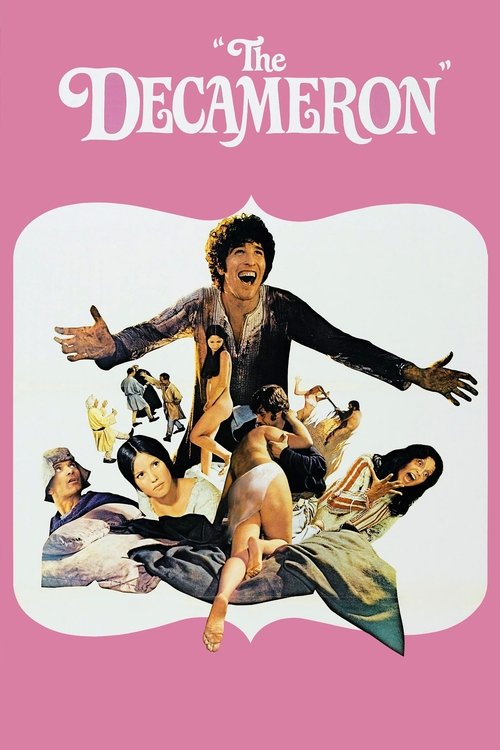
1971
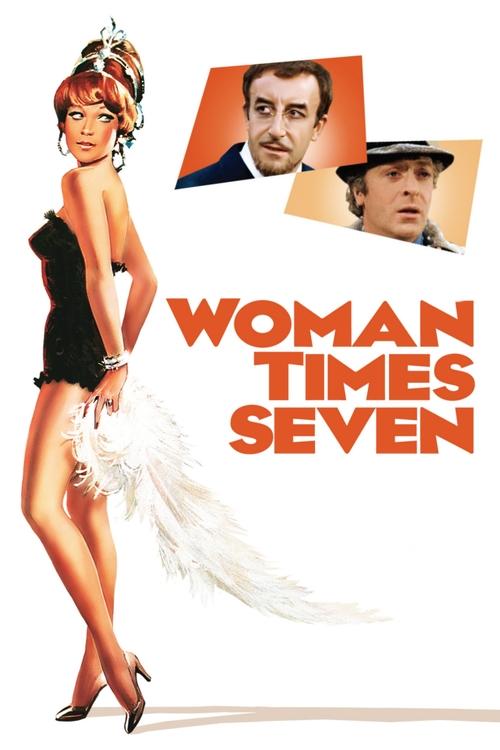
1967
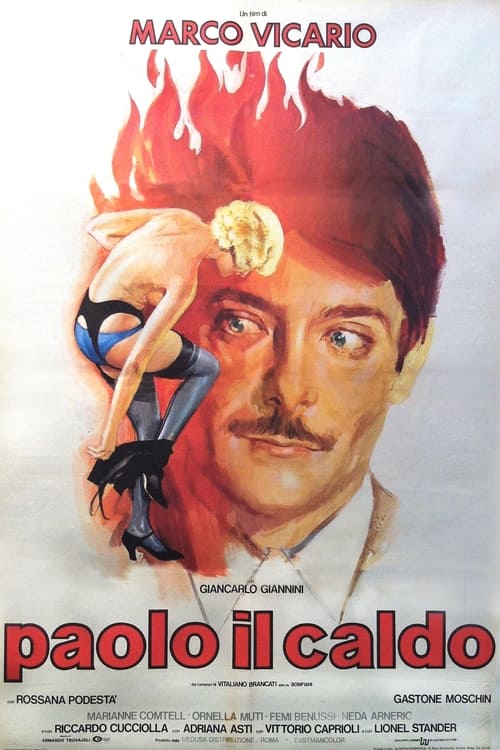
1973
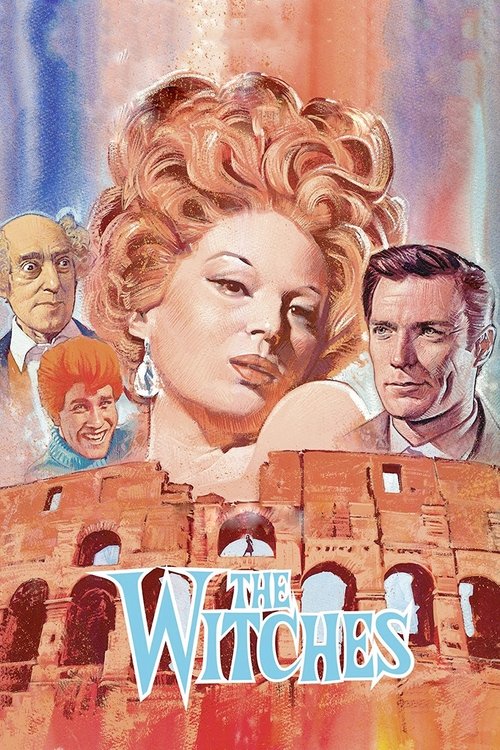
1967
1972
No reviews yet. Be the first to share your thoughts on this movie!
Use the rating form above to leave a star rating and optional review.