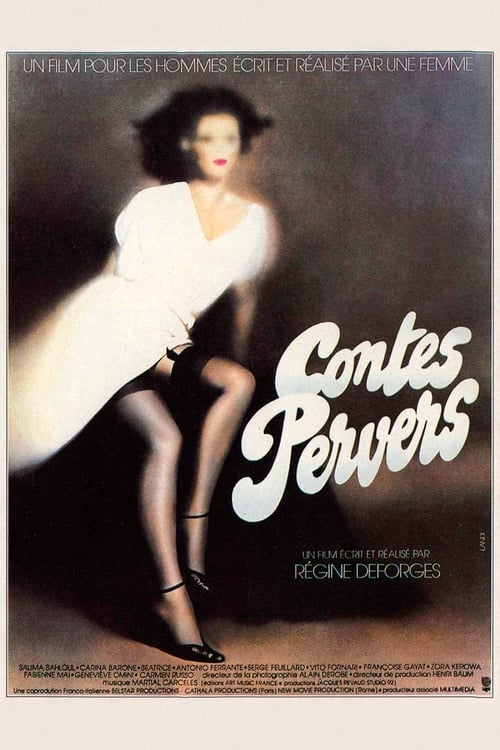
Erotic Tales
1980
No user ratings available yet
Representation score: 3.5 out of 10
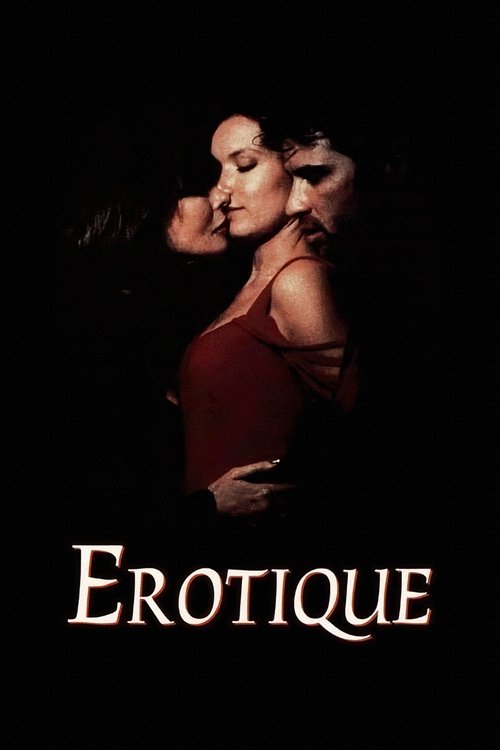
Representation Score
Good
1994
RDirector
Clara Law, Ana Maria Magalhães, Lizzie Borden, Monika Treut
Runtime
118 minutes
Average Rating
No ratings yetNew Showbiz Analysis
Erotique is a groundbreaking feminist film that shifts the erotic narrative from a male perspective to female self-expression. By using a collective of renowned female directors, the film ensures that the exploration of desire is a deliberate, systemic challenge to traditional cinematic norms. The film’s key strength lies in its radical shift in perspective, moving beyond mere representation to fundamentally changing who holds the gaze, making the female experience the central, active subject of the storytelling. However, while the film offers a broad global perspective through its diverse directorial voices, the lack of specific information about the racial makeup of the cast and the absence of disability representation limit its overall impact.
Category Breakdown
The anthology challenges traditional heterosexual assumptions by focusing on female desire. While specific non-binary identities are not confirmed, the film creates space for various forms of queer intimacy.
The film stands out by placing female directors in charge, shifting women from passive roles to active, self-determined ones. This dismantles the traditional male perspective on women.
An international directorial team suggests a move away from an Anglo-centric viewpoint. However, without specific casting details, the racial diversity of the actors remains unknown.
The film emphasizes personal sexual autonomy over traditional religious or societal norms. This modern approach questions conventional views on proper female behavior and social structures.
There is no specific mention of characters with visible or invisible disabilities.
Present on Screen
Limited or Absent
Official Synopsis
The sexual fantasies of women are explored by four female directors.
1980
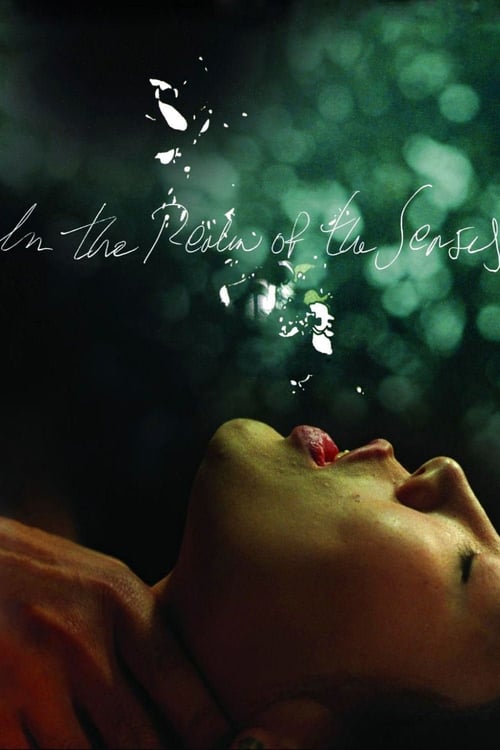
1976

2012

2016

2008
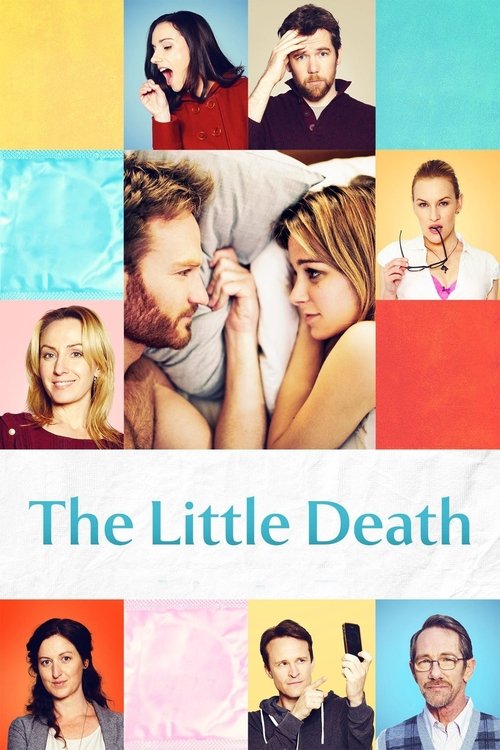
2014

2020
1989
No reviews yet. Be the first to share your thoughts on this movie!
Use the rating form above to leave a star rating and optional review.