
A Dedicated Life
1994
No user ratings available yet
Diversity score: 5.8 out of 10

1972
Director
Kazuo Hara
Runtime
82 minutes
Average Rating
No ratings yetSynopsis
Kazuo Hara follows the lives and activities of Yokota Hiroshi and Yokozuka Koichi, members of an activist group made up of people with cerebral palsy.
Overall Score
Good
Category Breakdown
LGBTQ+ Representation
The film does not explicitly center LGBTQ+ narratives or identities. While the struggle for bodily autonomy intersects with queer themes, no non-cisnormative identities are documented.
Gender Representation
The narrative focuses on the friction between disabled subjects and patriarchal institutional structures. It avoids submissive tropes by prioritizing the individual will of the subjects over medical authority.
Racial & Ethnic Diversity
As a Japanese production, the film provides a profound, non-Western perspective on disability. It resists Western-centric medical models by centering the lived experiences of Japanese citizens.
Religious & Cultural Diversity
The film critiques the standardization of human life within Japanese institutions. It frames the protagonists' defiance of social norms as a necessary pursuit of dignity and autonomy.
Disability Representation
This is the film's greatest strength, granting Yokota Hiroshi and Yokozuka Koichi complete agency. It avoids sentimentalism, presenting subjects as active agents rather than passive recipients of care.
Strengths
Areas for Improvement
AI Analysis
Kazuo Hara’s documentary is a landmark of participatory filmmaking that centers the agency of marginalized individuals. By focusing on the lives of Yokota Hiroshi and Yokozuka Koichi, the film disrupts traditional social hierarchies and challenges the institutional gaze. The work excels in its portrayal of disability, moving far beyond 'inspiration porn' to present a raw, non-sentimental reality. It successfully frames the struggle for autonomy against oppressive medical and social structures in Japan. While the film lacks explicit LGBTQ+ or interracial representation, its systemic critique of institutional control provides a sophisticated narrative. It remains a vital piece of cinema for its refusal to infantilize its subjects.
1994

2023

2020

2012
2007

2008

2024

1997

2017

2010

2016
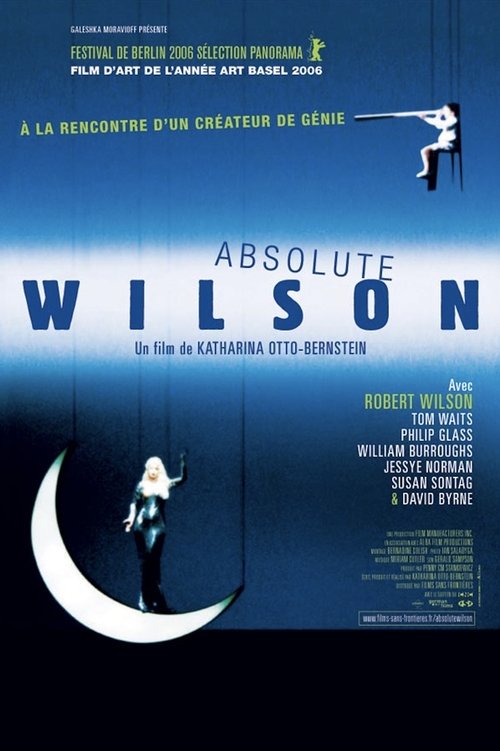
2006
No reviews yet. Be the first to share your thoughts on this movie!
Use the rating form above to leave a star rating and optional review.