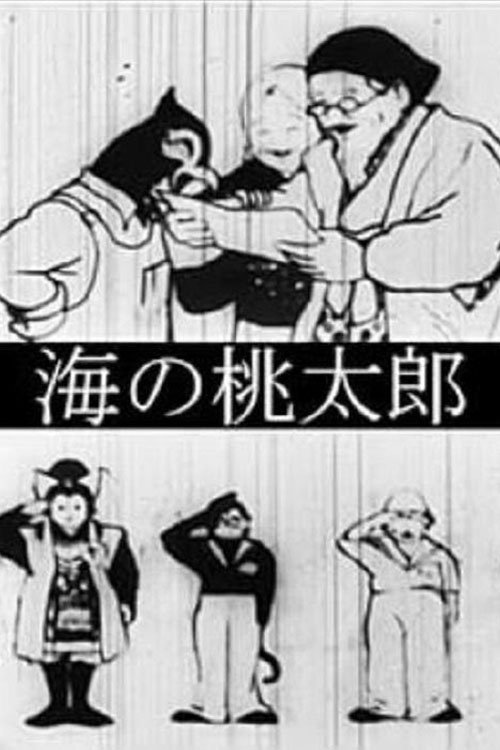
Umi no Momotaro
1932
No user ratings available yet
Representation score: 1.9 out of 10
Representation Score
Minimal
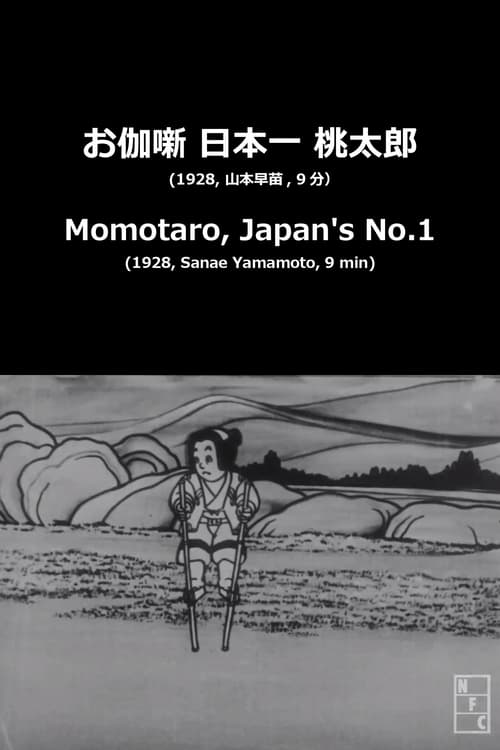
1928
Director
Sanae Yamamoto
Runtime
11 minutes
Average Rating
No ratings yetNew Showbiz Analysis
This foundational work of Japanese animation prioritizes cultural continuity and classical heroism over modern storytelling that reflects multiple aspects of identity. The narrative structure is built upon established social hierarchies and a clear moral landscape. The film serves as a medium for preserving traditional folklore rather than challenging it. It reinforces conventional masculine leadership and domestic roles, presenting a stable, traditionalist view of community and duty. While it lacks diversity by contemporary standards, the film is a significant historical expression of Japanese cultural identity, focusing on the triumph of good over evil through a singular hero's journey.
Category Breakdown
The film adheres to a traditional folkloric structure centered around a single male hero and does not include any depictions of LGBTQ+ identities or same-sex relationships.
Narrative ability to act is focused almost entirely on the male protagonist, Momotaro. Female characters, such as the foster mother, are confined to traditional domestic roles and do not significantly influence the plot.
The cast is culturally uniform, reflecting the film's roots as a Japanese folk tale. It upholds Japanese cultural identity without disrupting ethnic homogeneity.
The story emphasizes traditional values like duty and teamwork to restore social order. It lacks the moral relativism or secular critiques found in more progressive modern narratives.
Characters are portrayed as idealized archetypes of strength and vitality. There are no clear depictions of physical or neurodivergent disabilities within the narrative.
Present on Screen
Limited or Absent
Official Synopsis
Momotaro, the hero of the story, is born out of a giant peach his foster mother finds floating on the river.
1932
2013
1931
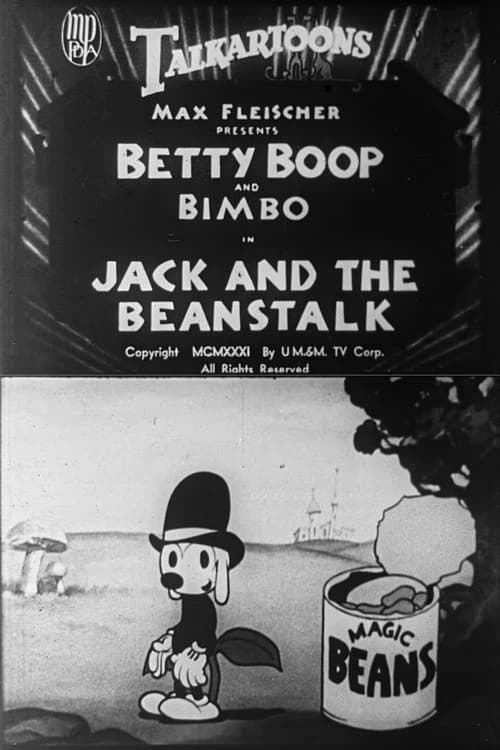
1931
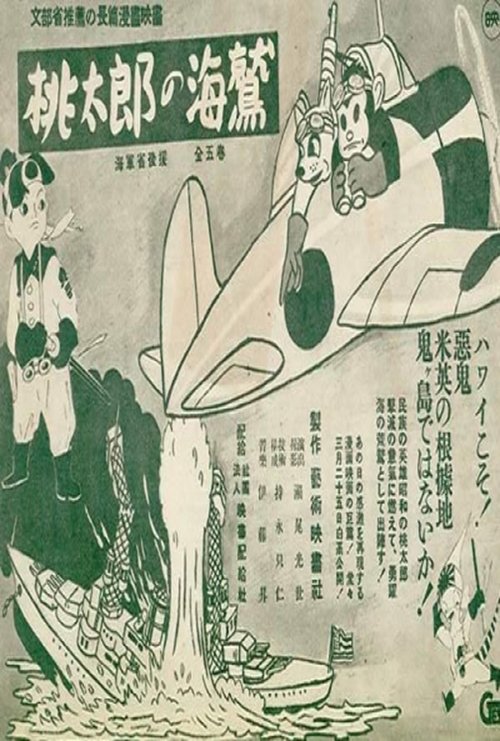
1943
1929
1918
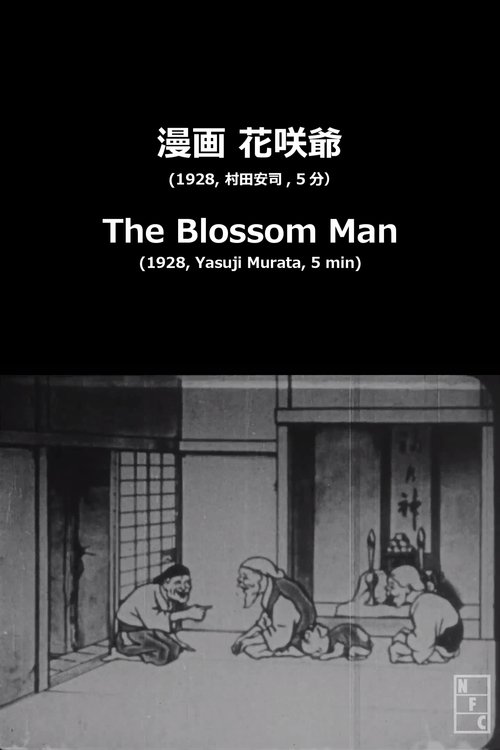
1928
No reviews yet. Be the first to share your thoughts on this movie!
Use the rating form above to leave a star rating and optional review.