The Larks' Moving Day
1933
No user ratings available yet
Representation score: 1.7 out of 10
Representation Score
Minimal
1928
Director
Yasuji Murata
Runtime
5 minutes
Average Rating
No ratings yetNew Showbiz Analysis
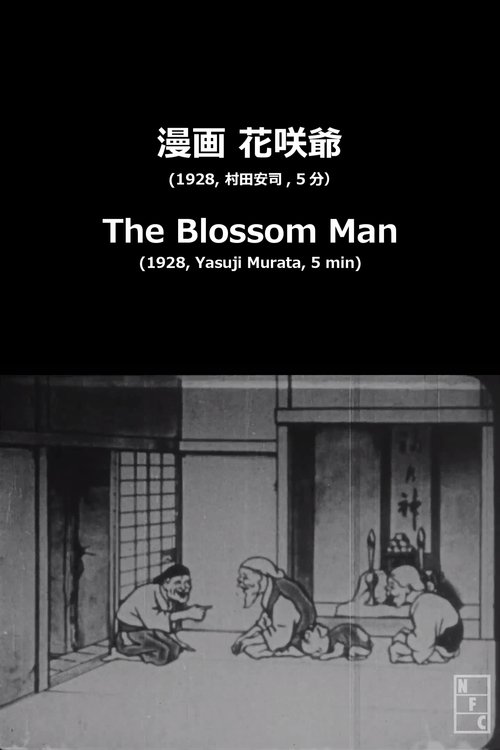
As a 1928 animated adaptation of the 'Hanasaka Jiisan' folktale, the film is a cultural artifact designed to preserve traditional morality. Its narrative structure is rooted in the social and spiritual norms of early 20th-century Japan. The work prioritizes the transmission of folklore over contemporary social critique. Consequently, it lacks representation of LGBTQ+ identities, disabilities, or multi-ethnic casts, focusing instead on a homogeneous cultural experience. While the film is a pioneering work in Japanese animation history, its content remains strictly within the bounds of traditional archetypes and historical social norms.
Category Breakdown
The story follows a traditional folkloric structure centered around an elderly man and his home. There are no non-straight or non-cisgender identities or same-sex relationships shown.
The film follows traditional folkloric archetypes. While the main character has a significant role in driving the story, the film reinforces era-specific gender roles and domestic duties rather than challenging them.
The film features a culturally homogeneous Japanese cast. It is a vital expression of Japanese identity but lacks multi-ethnic representation or non-human symbols for diversity.
The story emphasizes traditional morality, highlighting karma and kindness. It reinforces social harmony and historical Japanese spiritual values rather than questioning them.
There are no characters with visible or invisible disabilities portrayed with a significant role or as central to the narrative arc.
Present on Screen
Limited or Absent
Official Synopsis
Adaptation of Japanese fairy tale Hanasaka Jiisan.
1933

2018

1927

1992
1931

1932
1932

1924
No reviews yet. Be the first to share your thoughts on this movie!
Use the rating form above to leave a star rating and optional review.