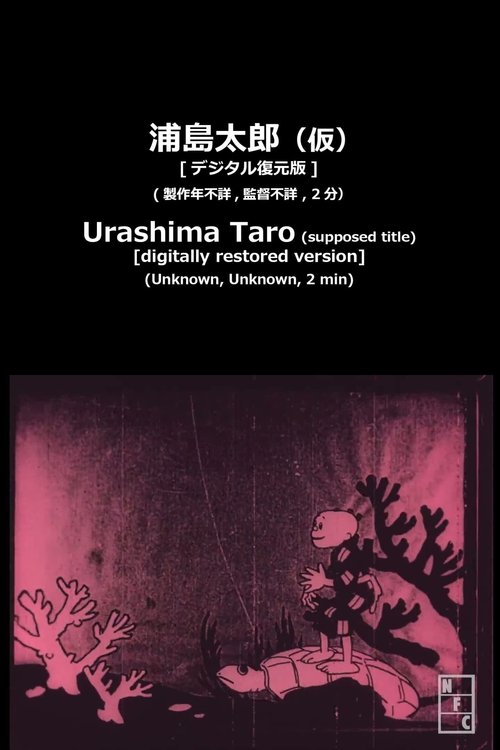
Taro Urashima
1931
No user ratings available yet
Representation score: 1.8 out of 10

Representation Score
Minimal
1918
Director
Seitaro Kitayama
Runtime
2 minutes
Average Rating
No ratings yetNew Showbiz Analysis
Urashima Tarō serves as a landmark of early Japanese animation, prioritizing the preservation of national folklore over disrupting social hierarchies. It functions as a vital expression of Japanese cultural identity during a period of Western cinematic expansion. However, the film's reliance on established mythological clichés means it lacks contemporary progressive frameworks. The narrative structure focuses on moral lessons and cultural continuity rather than characters who reflect more than one aspect of diversity or the subversion of social norms.
Category Breakdown
The film does not include any non-straight or non-cisgender identities or same-sex relationships. It follows a traditional folk hero storyline focused on the protagonist's interactions with a sea turtle and the Dragon Palace.
The story adheres to traditional folklore archetypes, centering on the male protagonist’s journey and isolation. There is no portrayal of masculinity as inept or subverted gender hierarchies.
As a significant Japanese cultural artifact, the film presents a non-Western narrative framework. It resists Western-centric animation hegemony but operates within a culturally homogeneous framework typical of its time.
The story is deeply rooted in Japanese morality and folklore, emphasizing kindness and temporal displacement. It functions as a tool for cultural preservation rather than a critique of social institutions.
There is no evidence of characters with visible or invisible disabilities being used as plot devices or portrayed with specific ability to act.
Present on Screen
Limited or Absent
Official Synopsis
Based on a well-known Japanese folk tale about an honest fisherman who is invited to an underwater castle after saving a sea turtle on a beach from bullies.
1931
1926
1932
1992
1935
1956
1928
1964
No reviews yet. Be the first to share your thoughts on this movie!
Use the rating form above to leave a star rating and optional review.