
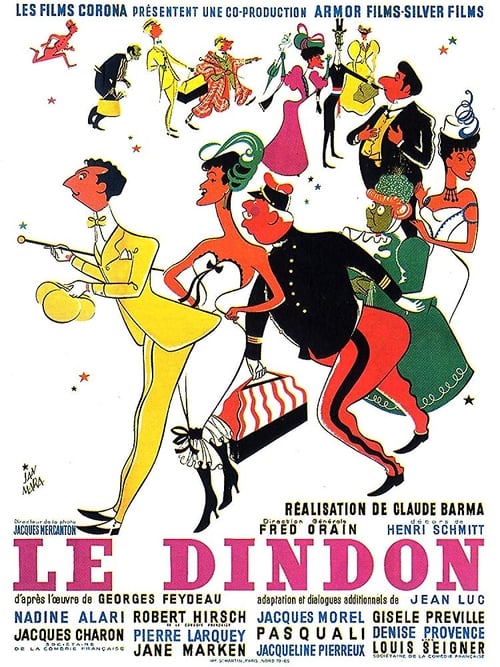
The Twist
1976
No user ratings available yet
Representation score: 4.9 out of 10
Representation Score
Minimal
1951
Director
Claude Barma
Runtime
85 minutes
Average Rating
No ratings yetNew Showbiz Analysis
Claude Barma’s comedy functions as a traditional period piece that adheres closely to the social hierarchies of the Belle Époque. The narrative structure relies on established romantic clichés and situational irony rather than any effort to challenge social norms. The film operates within a narrow framework, focusing on the domestic complications faced by a male protagonist. This results in a story that emphasizes conventional gender roles and Eurocentric social structures typical of its era. Ultimately, the work lacks the intention to represent diverse identities, choosing instead to adhere to the existing social and domestic frameworks of early 20th-century France.
Category Breakdown
The film focuses on heterosexual relationships and the consequences of infidelity. There are no representations of LGBTQ+ identities or stories involving non-straight relationships.
The plot relies on traditional comedic themes of infidelity and domestic life. Women play key roles in driving the story, but the film reinforces conventional gender roles and patriarchal structures.
Set in Belle Époque Paris, the cast reflects the predominantly white demographics of the time. The production aligns with the Eurocentric norms of mid-century French cinema.
The story uses conflicts within marriage and family life as a source of humor. It avoids criticizing Western institutions, focusing instead on personal and interpersonal issues.
There is no information available regarding the depiction of physical or cognitive disabilities among the characters.
Present on Screen
Limited or Absent
Official Synopsis
Paris at the Belle Epoque. Monsieur de Pontagnac, a perfect honest man, loves pretty women too much and that plays him many tricks. What need does he have to follow the pretty Lucienne Vatelin, home, to find himself in the presence of the husband, the notary Vatelin, who is part of his circle? From there, many characters will meet, avoid each other, find each other. Adultery, domestic scenes and reconciliation will be their lot.
1976
1976
1959

1939

1966
1954
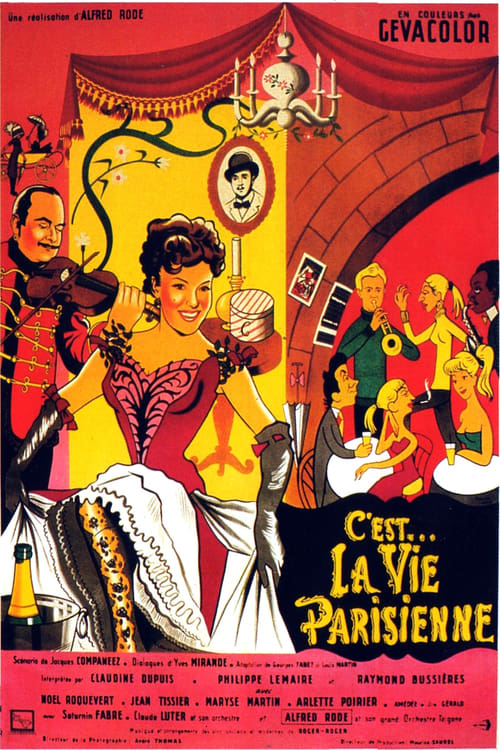
1954

1961
No reviews yet. Be the first to share your thoughts on this movie!
Use the rating form above to leave a star rating and optional review.