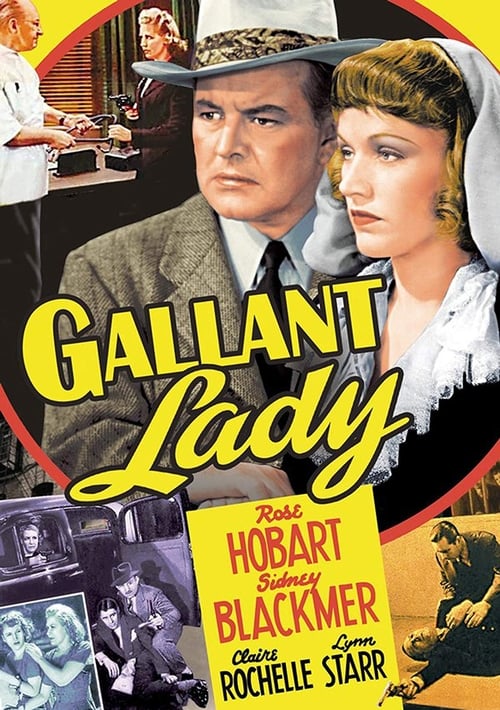
Gallant Lady
1942
No user ratings available yet
Representation score: 2.3 out of 10

Representation Score
Fair
1962
NRDirector
Robert Stevens
Runtime
100 minutes
Average Rating
No ratings yetNew Showbiz Analysis
I Thank a Fool serves as a typical mid-century melodrama. While it presents a complex female lead who navigates legal and social consequences, the film remains anchored in the traditional moral frameworks of 1962. The narrative lacks diversity and multi-layered complexity. It operates within the social hierarchies of its time, focusing on individual morality rather than systemic issues. Overall, the film offers a glimpse into mid-century storytelling, where women's ability to drive the story is evident but often framed through the lens of domestic or emotional instability.
Category Breakdown
The film does not include any LGBTQ+ characters or explore non-straight relationships. The story centers on a romantic relationship between a female doctor and a male lover.
Dr. Christine Allison exhibits a significant role in driving the story through her independent decisions, particularly regarding euthanasia. However, her role often involves navigating domestic issues and caregiving responsibilities.
The film follows the homogeneous demographic norms typical of early 1960s American drama. There are no non-white characters driving the plot.
The film delves into subjective morality and questions institutional authority through its protagonist. It adheres to traditional dramatic frameworks and social structures.
Liane is portrayed as an emotionally unstable character. This depiction may risk using mental health as a plot device rather than a fully developed identity.
Present on Screen
Limited or Absent
Official Synopsis
After mercifully killing her terminally ill lover, Dr. Christine Allison loses her medical license and spends two years in prison. Once she has completed her sentence, the lawyer who prosecuted Christine, Stephen Dane, hires her to care for his emotionally unstable wife, Liane. Christine takes the job, but when Liane's allegedly dead father reappears, Christine sets out to reveal the family's dark secrets.
1942

1952

1972
1948
1958
1964

1963
1958
No reviews yet. Be the first to share your thoughts on this movie!
Use the rating form above to leave a star rating and optional review.