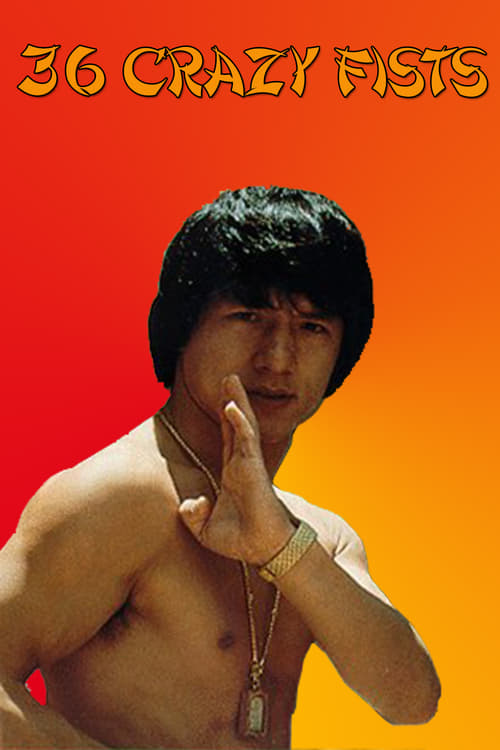
The 36 Crazy Fists
1977
No user ratings available yet
Representation score: 3.2 out of 10
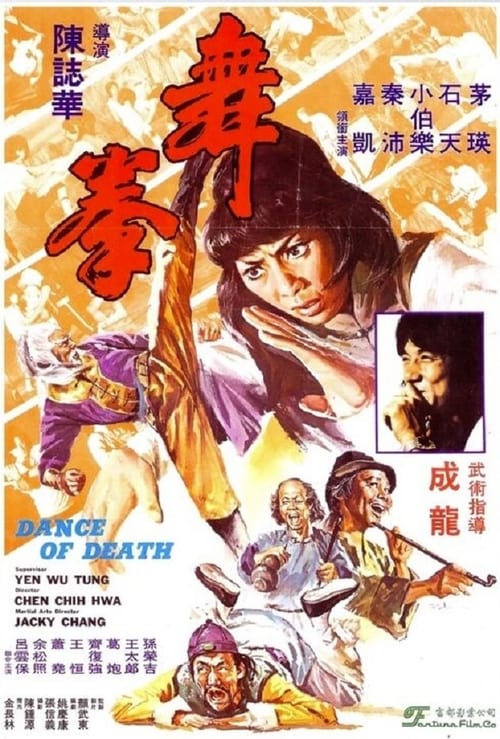
Representation Score
Fair
1980
Director
Chen Chi-Hwa
Runtime
90 minutes
Average Rating
No ratings yetNew Showbiz Analysis
Dance of Death is a quintessential 1980s martial arts action-comedy that prioritizes genre clichés over social subversion. The narrative is driven by male-centric themes of vengeance and physical mastery, leaving little room for diverse perspectives. While the film provides a culturally specific Hong Kong setting, it operates within a traditional framework. It lacks the multi-layered approach required to challenge established social hierarchies or gender norms. Ultimately, the film serves as a standard genre piece. It focuses on individual merit and combat prowess rather than engaging with progressive themes of identity or representation.
Category Breakdown
The film centers on traditional masculine archetypes, such as the orphan seeking vengeance and the master-student relationship. There is no representation of non-binary or LGBTQ+ identities.
Male characters play the primary roles in driving the story, including the orphan and the masters. Female characters appear as atmospheric elements, such as dancers, without significant plot involvement.
The film features a culturally specific, non-Western cast rooted in Hong Kong martial arts traditions. It operates within a traditional framework without challenging ethnic norms.
The story follows a traditional morality framework centered on justice and martial arts. A drunk master provides comedic relief but does not offer a critical perspective on social order.
There is no explicit portrayal of physical or neurodivergent disabilities. Characters with eccentricities like drunkenness or heavy smoking serve as character clichés rather than meaningful representations of disability.
Present on Screen
Limited or Absent
Official Synopsis
An orphan boy seeks revenge upon a villainous kung-fu sect that killed his friends. He chances upon two old kung fu masters who are fighting to determine who's the better fighter; one is a drunk, the other puffs constantly on a pipe. Fei Fei convinces them to teach him kung fu, and then he'll fight using both of their techniques and will discover which is superior. So Fei Fei ends up fighting his way up the ranks of the evil sect with the two old men trailing after him, evaluating the battles and counting how many of their individual moves Fei Fei uses. The final battle with the white-haired master of the sect, using new kung fu moves inspired by dancers in a brothel, is amazingly gymnastic. --Bret Fetzer
1977
1978
1979
1976
1978
2020
1986
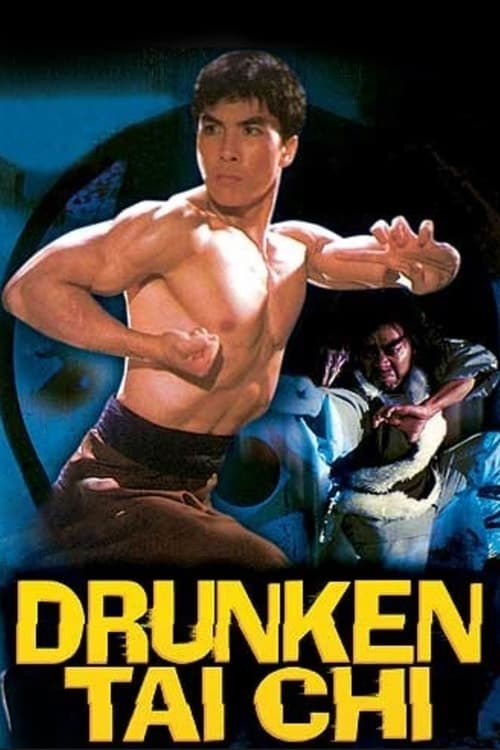
1984
No reviews yet. Be the first to share your thoughts on this movie!
Use the rating form above to leave a star rating and optional review.