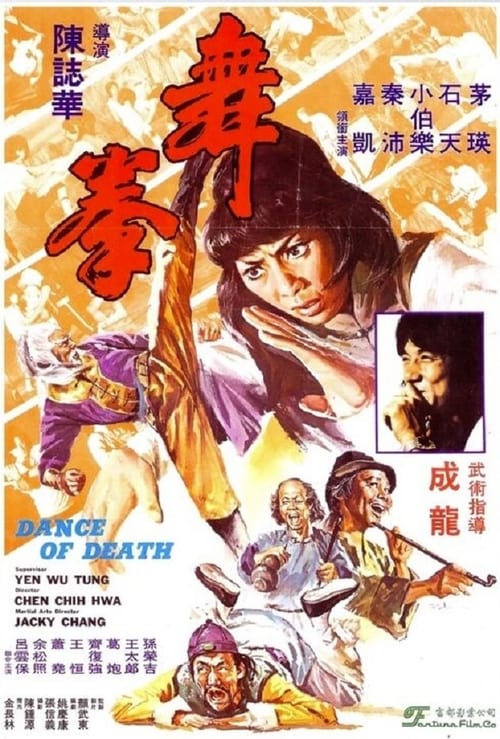
Dance of Death
1980
No user ratings available yet
Representation score: 4.5 out of 10
Representation Score
Minimal
1986
Director
Chen Chi-Hwa
Runtime
90 minutes
Average Rating
No ratings yetNew Showbiz Analysis
This traditional 1980s Hong Kong action-comedy prioritizes genre clichés over social deconstruction. It adheres to established moral binaries and spiritual hierarchies typical of the martial arts genre. While the film celebrates specific Chinese cultural heritage, it does so through a conventional lens. It reinforces traditional gender roles and patriarchal structures, often portraying women as objects within ritualistic contexts. Ultimately, the narrative centers on mastering Taoist kung-fu and the battle between good and evil. It does not aim to disrupt or critique the social or cultural norms of its time.
Category Breakdown
The film does not include any LGBTQ+ characters or stories. It focuses solely on the martial arts tradition and the conflict between traditional and villainous fighting styles.
Women are portrayed as passive biological resources rather than characters with significant influence. The story reinforces patriarchal hierarchies through its emphasis on male martial arts brotherhood.
The film offers strong representation of Chinese Taoist traditions and folklore. However, it remains centered around a single cultural identity without incorporating actors from various ethnic backgrounds.
The plot emphasizes traditional morality and the preservation of orthodox Taoist practices. It upholds conventional spiritual hierarchies rather than offering critiques of these institutions.
There is no depiction of neurodivergent or physical disabilities. The separation of soul and body serves as a supernatural plot device rather than a detailed character study.
Present on Screen
Limited or Absent
Official Synopsis
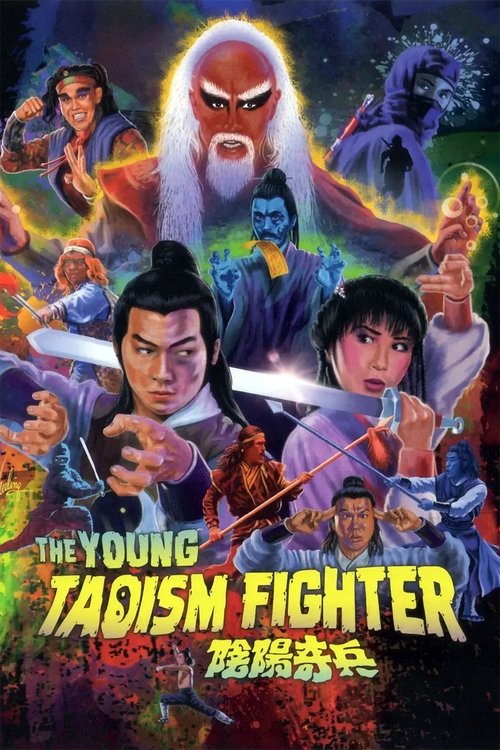
The Progenitor, Cheng Yang, Cheng Jen and his brother, Chung Yin-Chiu tried all means to acquaint with the “Yin Yang Separate Body Style”, which was the most powerful Taoism Kung-fu of Yin Yang Tang. One day, Student, Ko Sheng practiced the style secretly. Since his basic Kung-fu training was not well-established, he made his soul separated from the body. At the most critical moment, he was saved by Yin-Chiu. The leader of Tien Wu Men, Master Fu Luen wanted to rule over the community by force, bitterly practiced the “Tzu Yin Wicked Style” kung fu. He controlled Kuan Shih-Chung by using poison and ordered him to get the urea of children and women's placenta for him to practice...
1980
1978
1984
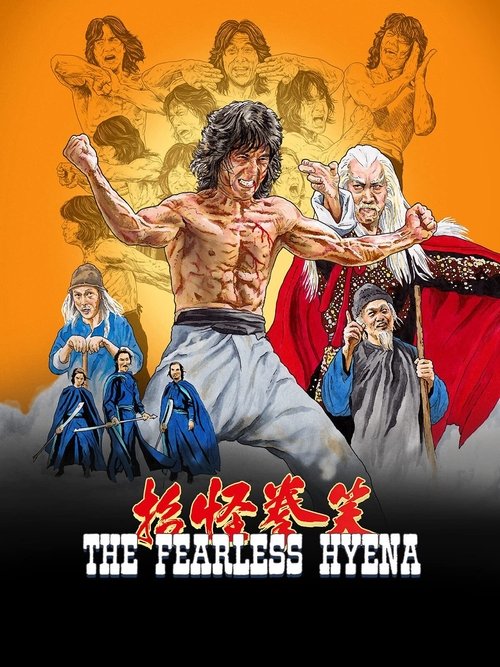
1979
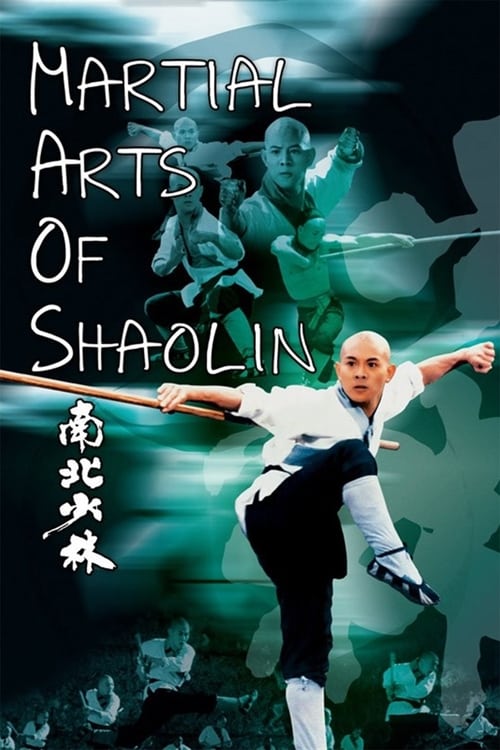
1986
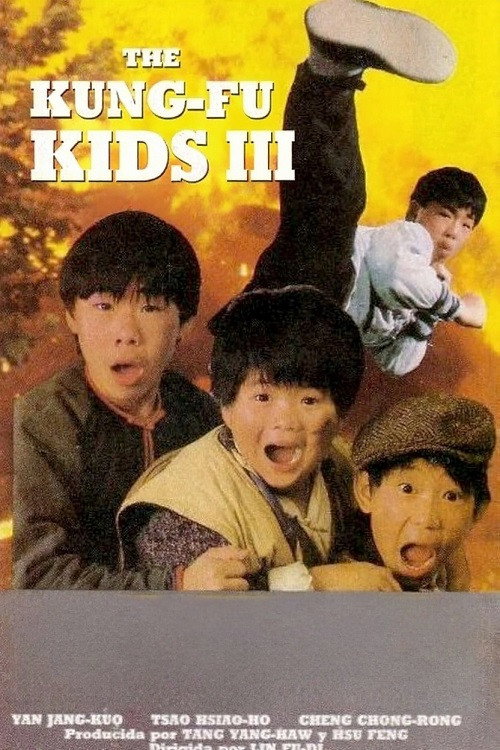
1987
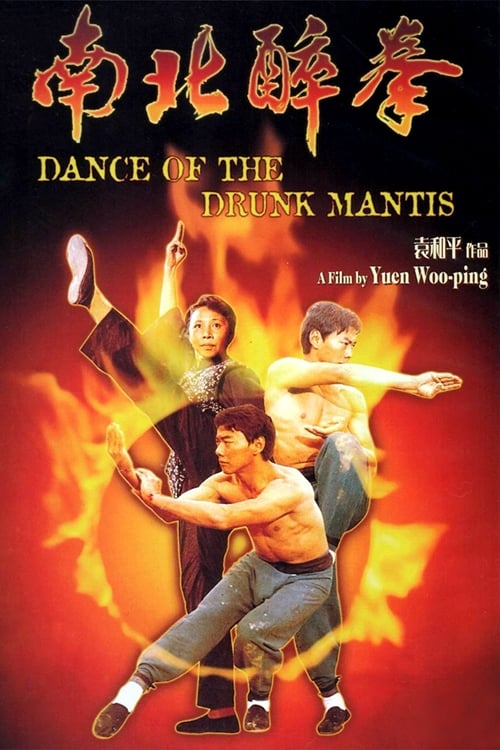
1979
1979
No reviews yet. Be the first to share your thoughts on this movie!
Use the rating form above to leave a star rating and optional review.