Drunken Master
1978
No user ratings available yet
Representation score: 3.5 out of 10
Representation Score
Minimal
1984
Not RatedDirector
Yuen Woo-Ping
Runtime
91 minutes
Average Rating
No ratings yetNew Showbiz Analysis
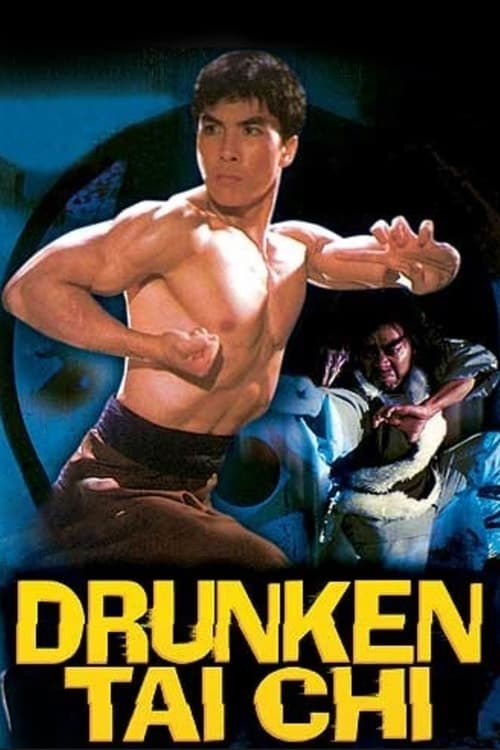
Drunken Tai Chi is a quintessential 1980s martial arts comedy that prioritizes kinetic spectacle and traditional genre clichés. The film functions as a culturally specific piece of Hong Kong cinema, emphasizing authentic martial arts traditions over modern multi-layered themes. While the film offers some female competence through a master puppeteer, the broader narrative structure reinforces traditional gender hierarchies. The story is driven by male-centric physical mastery and comedic stunts typical of the era. Ultimately, the film does not attempt to challenge social norms or engage with contemporary identity politics. It remains a genre-standard work focused on cultural authenticity and physical storytelling.
Category Breakdown
The film does not include any LGBTQ+ characters or non-straight identities. It adheres to traditional 1980s social norms, focusing on heterosexual relationships and archetypes.
While a female puppeteer is shown as a Tai Chi master, the narrative remains centered on male-driven physical skills. Female characters primarily support the male protagonist.
The cast and setting are ethnically uniform, reflecting its Hong Kong production roots. The film maintains cultural authenticity without whitewashing or race-bent casting.
The story is deeply rooted in traditional Chinese social structures and martial arts philosophy. It follows a standard hero's journey without challenging Western institutions.
There is no representation of physical or neurodivergent disabilities. The narrative focuses strictly on the physical prowess and stylistic mastery of the protagonist.
Present on Screen
Limited or Absent
Official Synopsis
A spoiled young man - on the run from a ruthless killer - hooks up with a puppeteer and his wife who are masters of the art of tai chi; the only style that can defeat the killer.
1978
1978
1979
1979
1979
2020
1979
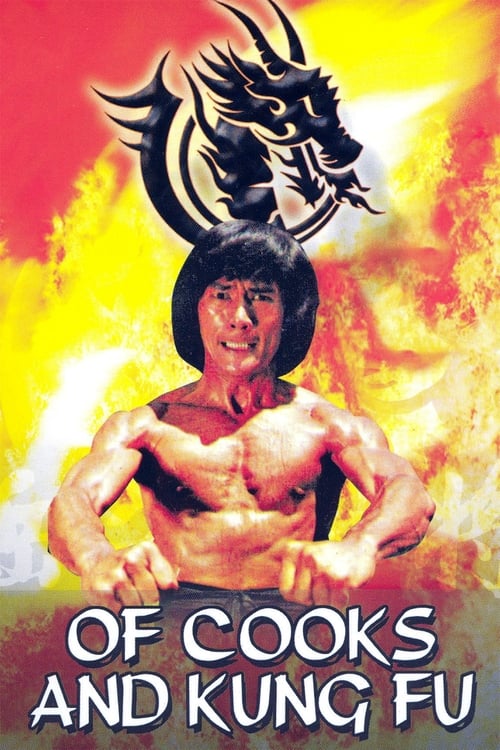
1979
No reviews yet. Be the first to share your thoughts on this movie!
Use the rating form above to leave a star rating and optional review.