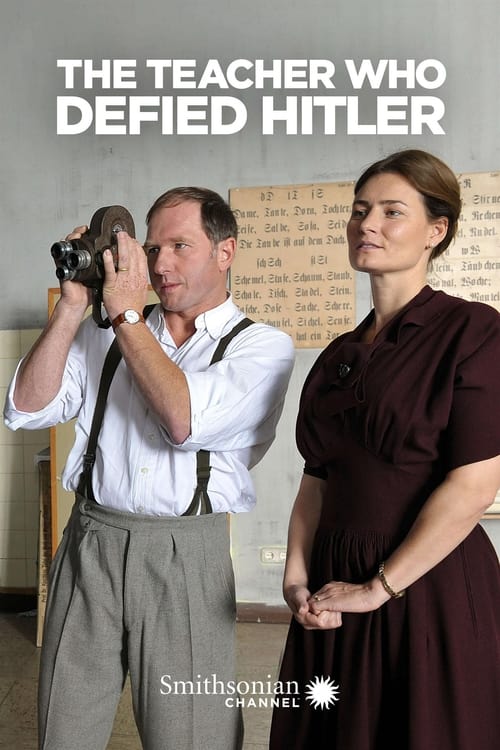
The Teacher who Defied Hitler
2014
No user ratings available yet
Diversity score: 6.7 out of 10
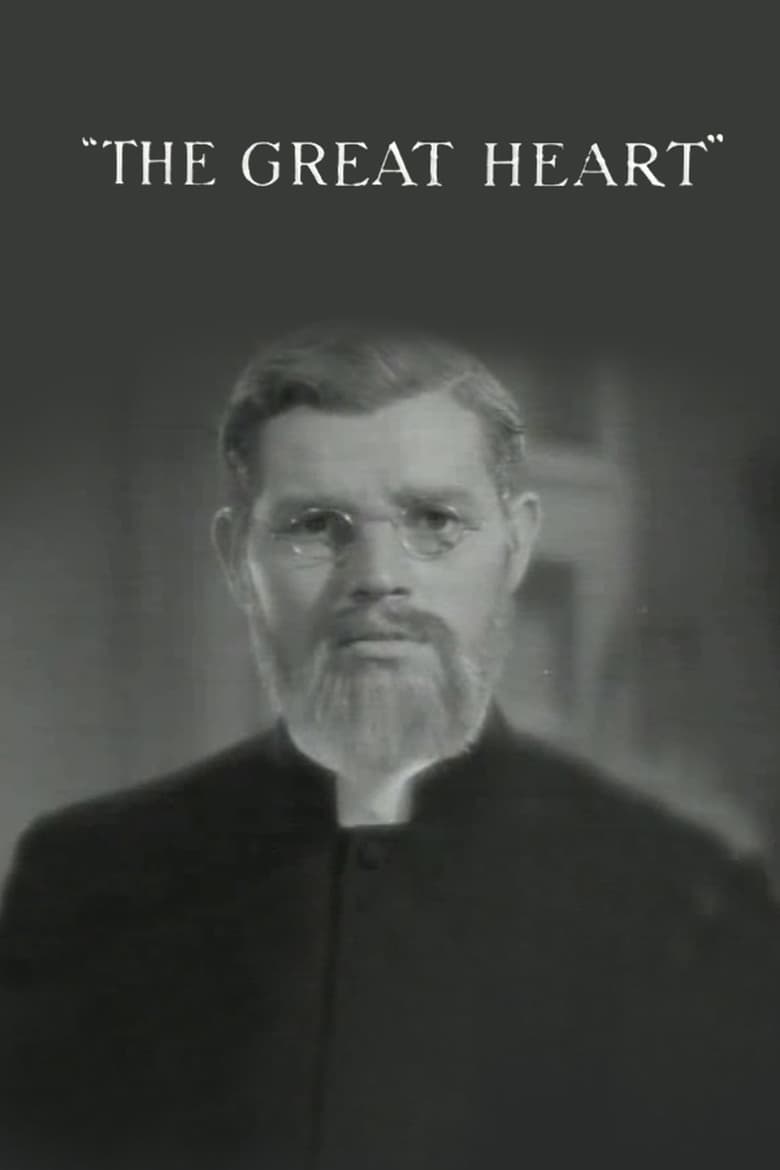
1938
Director
David Miller
Runtime
11 minutes
Average Rating
No ratings yetSynopsis
This short film tells the true story of the heroic sacrifice of Father Damien, the Belgian priest who suffered a living death in order to bring hope and God's comfort to the lepers confined on the Hawaiian island of Molokai.
Overall Score
Limited
Category Breakdown
LGBTQ+ Representation
The film adheres to the heteronormative and religious social structures of the 1930s. It lacks any non-cisnormative identities or narratives that critique traditional social norms.
Gender Representation
The narrative is driven by a male protagonist whose agency is defined by religious vocation. Leadership and heroic sacrifice are framed through a traditional masculine lens of stoicism.
Racial & Ethnic Diversity
The film acknowledges the Hawaiian setting and provides visibility to a marginalized community. However, the narrative remains centered on a Western religious figure's perspective.
Religious & Cultural Diversity
The story is deeply rooted in Western religious morality and promotes a singular Christian ideal of martyrdom. It reinforces religious institutions as the primary source of social order.
Disability Representation
The film provides a significant depiction of leprosy, making the condition central to the plot. However, it risks using disability as a backdrop for the protagonist's spiritual heroism.
Strengths
Areas for Improvement
AI Analysis
The Great Heart functions as a traditional biographical drama that reinforces the social and religious hierarchies of its era. It prioritizes Western religious institutionalism and the concept of the heroic outsider through a lens of conventional morality. While the film offers visibility to a marginalized community by depicting the lepers of Molokai, it does not attempt to deconstruct systemic power dynamics. The narrative remains aligned with the non-intersectional storytelling frameworks common in the 1930s.
2014
2007
2007
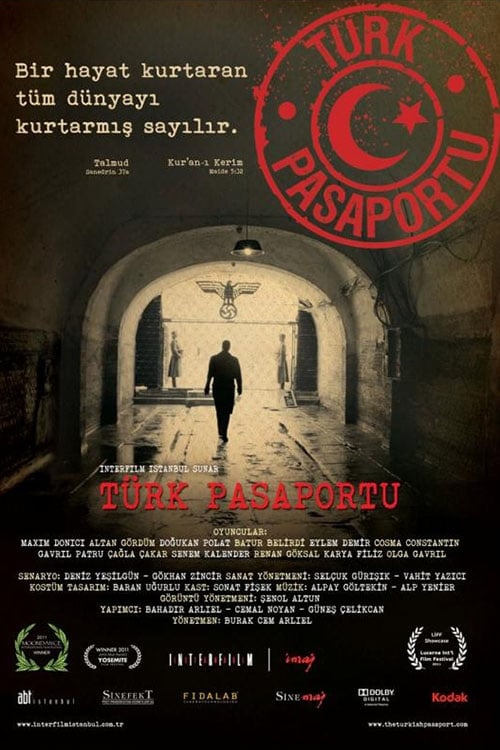
2011
No reviews yet. Be the first to share your thoughts on this movie!
Use the rating form above to leave a star rating and optional review.