Thirteen Days
2000
No user ratings available yet
Representation score: 0.2 out of 10
Representation Score
Limited
2014
Director
Roland Suso Richter
Runtime
100 minutes
Average Rating
No ratings yetNew Showbiz Analysis
This historical drama prioritizes the deconstruction of institutional power over demographic variety. It functions as a specialized study of masculine-coded authority and Cold War systemic tensions. While the film offers a sophisticated critique of state power and the subversion of official truths, it remains rooted in the traditional hierarchies of the mid-20th century. The focus is strictly on the geopolitical and journalistic friction of the era. Ultimately, the work serves as a historical reconstruction rather than a vehicle for diverse representation, reflecting the specific social landscape of 1962 West Germany.
Category Breakdown
The film focuses on masculine-coded political and journalistic power struggles. There are no queer narratives or non-cisgender identities driving the plot.
The narrative centers on male figures, emphasizing a traditional patriarchal structure of leadership and intellectual conflict.
Set in 1962 West Germany, the film reflects the demographic homogeneity of the time. It focuses on the internal tensions within Western democratic institutions.
The film critiques the relationship between the state and the media. It explores the tension between government secrecy and the necessity of a free press.
The narrative focuses on the intellectual and political maneuvering of high-level officials. There are no characters with physical or neurodivergent disabilities.
Present on Screen
Limited or Absent
Official Synopsis
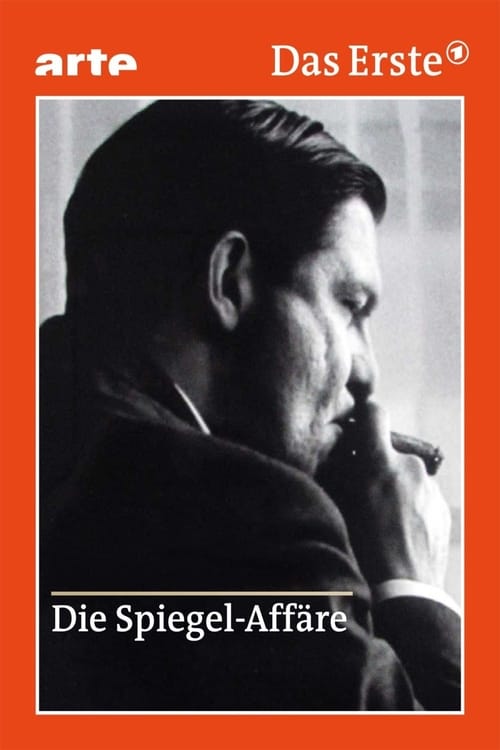
Under the slogan of the arms race of the superpowers, which escalates in the Cuban Missile Crisis in 1962 and brings the world to the brink of nuclear war, two exemplary post-war male figures challenge an almost archaic feud: Defense Minister Franz Josef Strauss and journalist Rudolf Augstein.
2000
1989

1974
2014

2012

2017
2020

2017
No reviews yet. Be the first to share your thoughts on this movie!
Use the rating form above to leave a star rating and optional review.