
Oppenheimer
2023
No user ratings available yet
Representation score: 7.0 out of 10
Representation Score
Limited
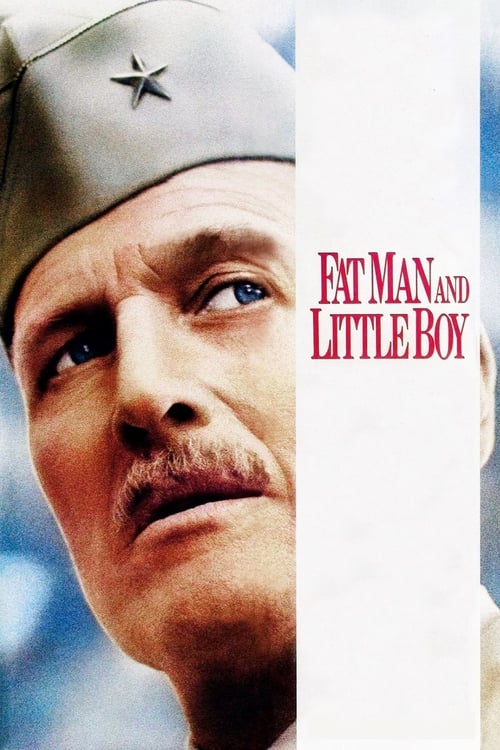
1989
PG-13Director
Roland Joffé
Runtime
127 minutes
Average Rating
No ratings yetNew Showbiz Analysis
Fat Man and Little Boy focuses on historical accuracy rather than modern demographic inclusivity, capturing the homogeneous, exclusionary nature of the 1940s military-scientific complex. This results in low scores for racial and gender diversity. However, the film offers progressive value through its thematic depth. Instead of celebrating scientific triumph, it questions institutional power and the moral fragmentation of the state. Ultimately, the film's strength lies in its intellectual complexity, offering a critical perspective on human progress rather than a celebratory history.
Category Breakdown
The film touches on non-traditional relationships through Robert Oppenheimer's connection with Jean Tatlock, which challenges traditional heterosexual norms. However, the exploration of queer identity is secondary to the scientific storyline.
The narrative adheres to a strict patriarchal structure common during the 1940s. Female characters such as Kitty Oppenheimer play minor roles on the fringes of the male-dominated intellectual and military hierarchy.
The cast is predominantly white, reflecting the segregation prevalent in mid-20th century institutions. Characters of color have limited influence and control over their own stories, mirroring the era's racial hierarchies.
The film critiques Western institutional certainty by presenting scientific progress through the lens of existential dread. It replaces triumphant clichés with a nuanced examination of the moral complexities inherent in the military-industrial complex.
There are no characters with visible or invisible disabilities playing central roles or being subjected to mockery.
Present on Screen
Limited or Absent
Official Synopsis
Assigned to oversee the development of the atomic bomb, Gen. Leslie Groves is a stern military man determined to have the project go according to plan. He selects J. Robert Oppenheimer as the key scientist on the top-secret operation, but the two men clash fiercely on a number of issues. Despite their frequent conflicts, Groves and Oppenheimer ultimately push ahead with two bomb designs — the bigger "Fat Man" and the more streamlined "Little Boy."
2023
1995

1957
1955
2001
1950
2000

1994
No reviews yet. Be the first to share your thoughts on this movie!
Use the rating form above to leave a star rating and optional review.