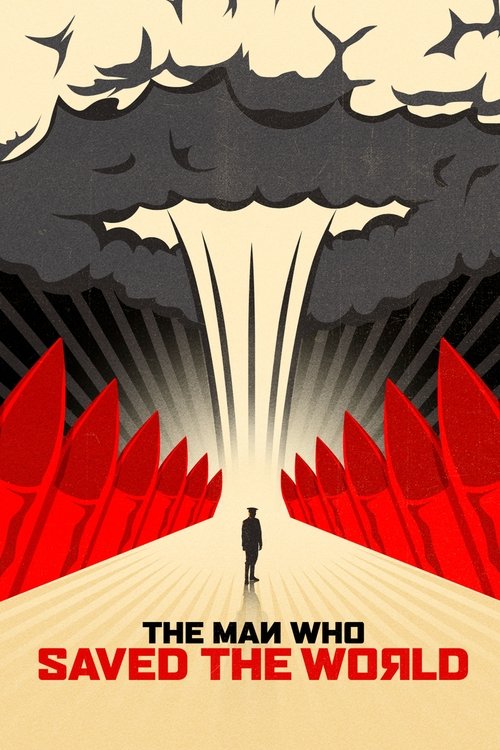
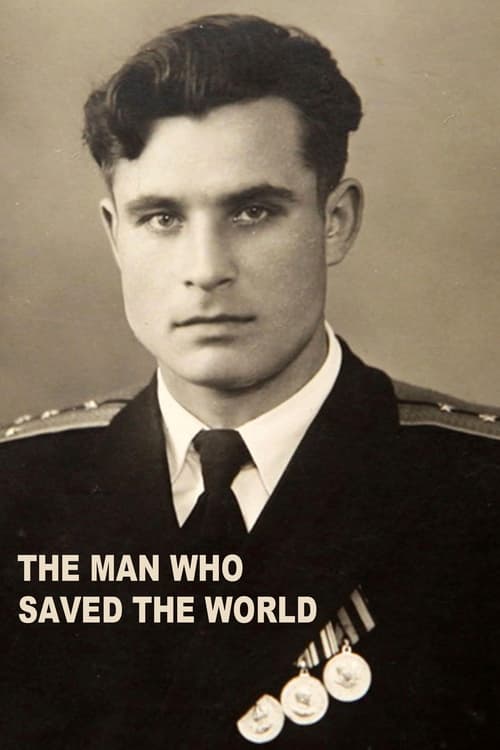
The Man Who Saved the World
2014
No user ratings available yet
Representation score: 2.3 out of 10
Representation Score
Minimal
2012
TV-PGDirector
Nick Green
Runtime
53 minutes
Average Rating
No ratings yetNew Showbiz Analysis
The documentary serves as a historical reconstruction of a specific diplomatic crisis. It prioritizes the examination of individual roles within the rigid, systemic frameworks of the Cold War. Given the subject matter is a singular historical event involving a specific Soviet officer, the narrative is inherently constrained. The film is anchored in the traditional hierarchies of the 1960s military era. Ultimately, the work is designed to be historically grounded rather than to challenge contemporary social or identity-based norms. It lacks the structural opportunity for diverse representation.
Category Breakdown
The documentary does not include any LGBTQ+ characters or narratives. The focus remains strictly on military and geopolitical themes.
The film centers on Vasily Arkhipov and the Soviet naval hierarchy, reinforcing traditional masculine leadership roles within a historically male-dominated military structure.
The narrative shifts away from a purely Western perspective by focusing on the Soviet Union. However, the historical context suggests a homogeneous cast within the naval command.
The film examines the tension between state authority and individual morality. It explores personal ethics against institutional mandates without offering an explicit anti-Western critique.
There is no information regarding the depiction of disability, neurodivergence, or mental health in this documentary.
Present on Screen
Limited or Absent
Official Synopsis
During the Cuban Missile Crisis of 1962, Soviet Navy officer Vasily Arkhipov refused to launch a nuclear strike and saved the world from nuclear war and total destruction.
2014

1966
1995
2023
2008

2012

1994
2000
No reviews yet. Be the first to share your thoughts on this movie!
Use the rating form above to leave a star rating and optional review.