The Vexxer
2007
No user ratings available yet
Diversity score: 3.2 out of 10
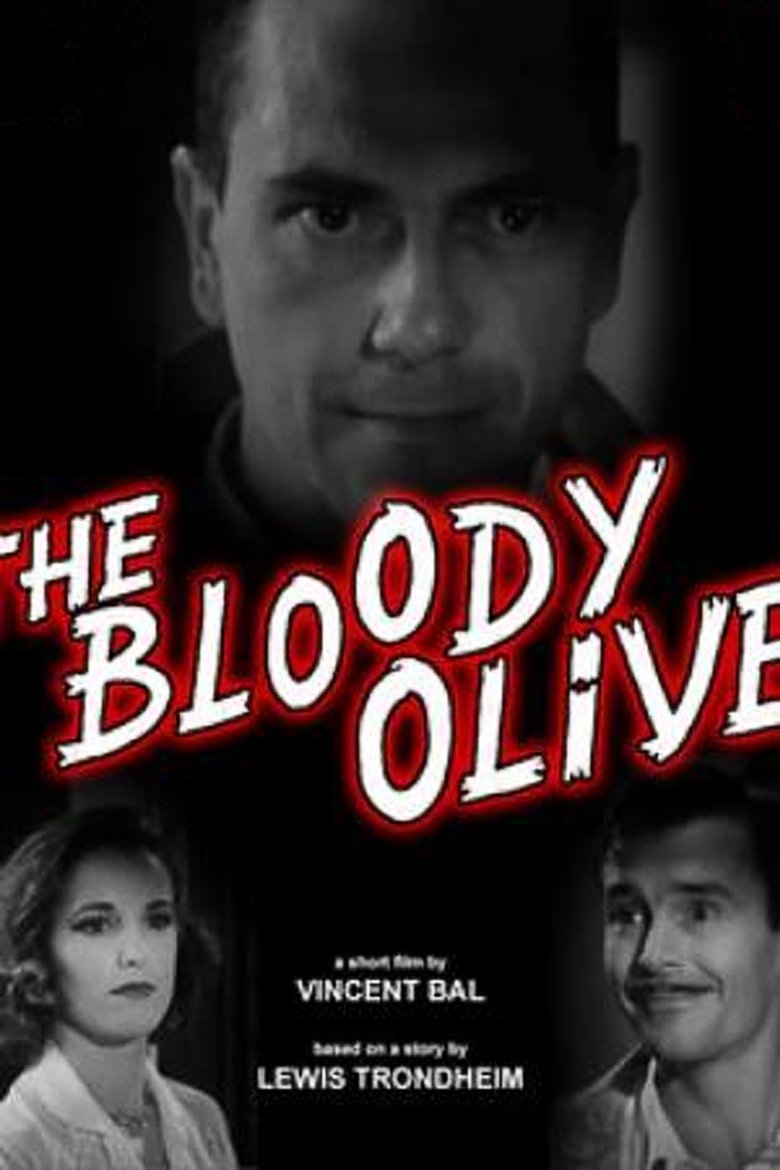
1997
Director
Vincent Bal
Runtime
11 minutes
Average Rating
No ratings yetSynopsis
A murder-à-trois in every conceivable way.
Overall Score
Limited
Category Breakdown
LGBTQ+ Representation
The film lacks visible evidence of queer agency or identity-driven storytelling. There are no confirmed non-cisnormative identities or narratives that critique heteronormativity.
Gender Representation
A triad of characters in this murder-à-trois may allow for some subversion of gender roles. However, there is no evidence of women deconstructing masculine leadership hierarchies.
Racial & Ethnic Diversity
The cast suggests a European origin, but there is no explicit evidence of a non-Anglo-Saxon majority. The film operates within a standard crime-comedy framework.
Religious & Cultural Diversity
While the crime-comedy genre often explores subjective morality, the film does not explicitly critique Western institutions like religion or family.
Disability Representation
There is no documented evidence regarding the inclusion of characters with visible or invisible disabilities within the narrative.
Strengths
Areas for Improvement
AI Analysis
The Bloody Olive functions as a conventional late-90s European crime comedy. Its narrative architecture relies on genre tropes rather than a framework of intersectional representation or intentional progressive subversion. While the central premise of a 'murder-à-trois' suggests complex interpersonal dynamics, the film lacks specific indicators of identity-based power structures. It appears to follow standard genre conventions without deconstructing traditional social hierarchies. Ultimately, the film provides a baseline level of inclusion typical of its era but lacks documented emphasis on intersectional racial or queer dynamics.
2007

2010
2003
2017

1972
1976

1999

2004

1977

2013

1980

1962
No reviews yet. Be the first to share your thoughts on this movie!
Use the rating form above to leave a star rating and optional review.