
Max der Taschendieb
1962
No user ratings available yet
Diversity score: 3.2 out of 10
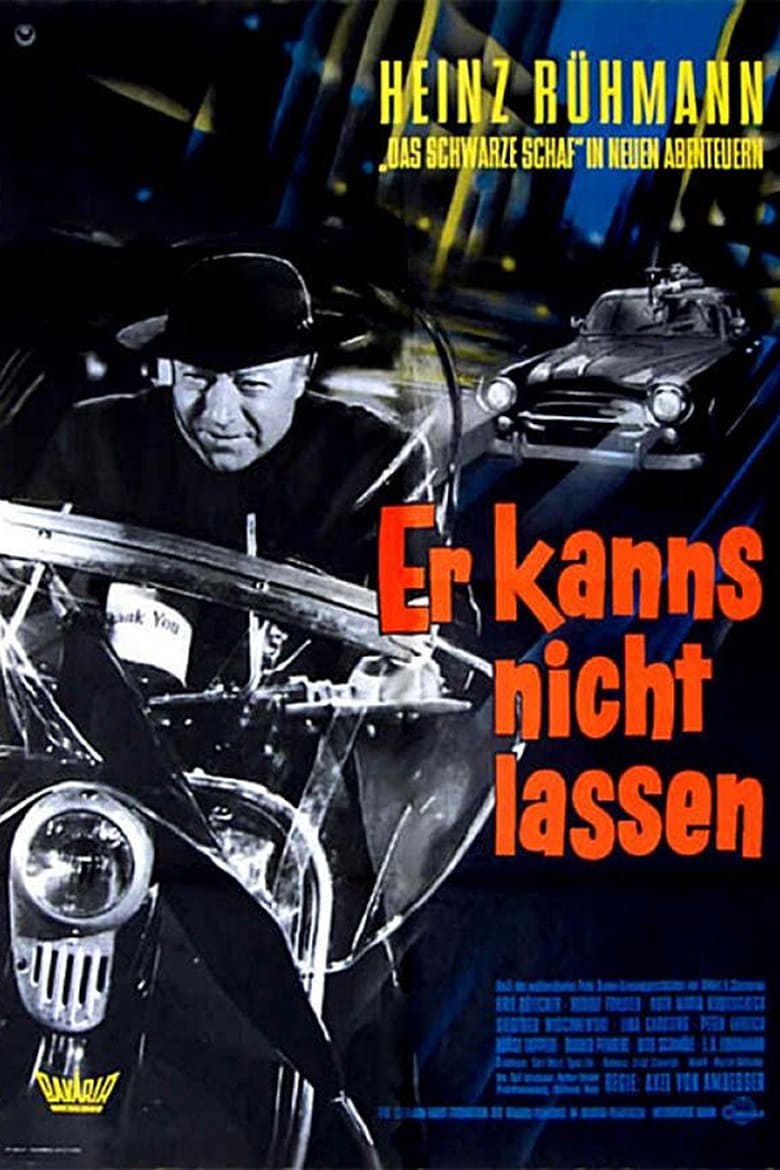
1962
Director
Axel von Ambesser
Runtime
94 minutes
Average Rating
No ratings yetSynopsis
Father Brown is only too happy to interfere with the work of the police in solving tricky criminal cases, usually with resounding success. That's why the clergyman is transferred to a sleepy island called Abbott's Rock. At first, nothing happens there, but somehow Father Brown seems to be attracted to crime: Soon a gang of thieves is up to no good on the island. So Brown makes the headlines again, and is punitively transferred once more. This time he finds himself in a quiet Irish millionaire community.
Overall Score
Limited
Category Breakdown
LGBTQ+ Representation
The film adheres to early 1960s cinematic conventions. There is no evidence of non-cisnormative identities or narratives that critique heteronormativity.
Gender Representation
The plot centers on a male protagonist driving the narrative through intellectual intervention. It maintains a traditional hierarchy without subverting gender roles.
Racial & Ethnic Diversity
The setting focuses on Irish millionaire communities and class distinctions. The cast reflects the homogeneous European demographics typical of 1960s German-language cinema.
Religious & Cultural Diversity
Religious identity is integrated into the social fabric rather than critiqued. The story respects institutional authority through its focus on the clergyman's role.
Disability Representation
The narrative provides no mention of characters with visible or invisible disabilities.
Strengths
Areas for Improvement
AI Analysis
Er kann's nicht lassen is a conventional mid-century detective comedy that operates within established social and genre frameworks. It follows the classic 'cleric-as-detective' trope, focusing on Father Brown's interactions with crime and authority. The film lacks the intentionality required to disrupt traditional hierarchies. Instead, it functions as a standard character study that reflects the social norms of its era, prioritizing mystery and lighthearted crime over intersectional representation. Because the production leans into traditional morality and established social structures, it offers a limited perspective on diversity, focusing more on class and religious identity than on broader social deconstruction.
1962

1986
1976
2007
1946
2013

1980

2010
1947
1954

1997

2010
No reviews yet. Be the first to share your thoughts on this movie!
Use the rating form above to leave a star rating and optional review.