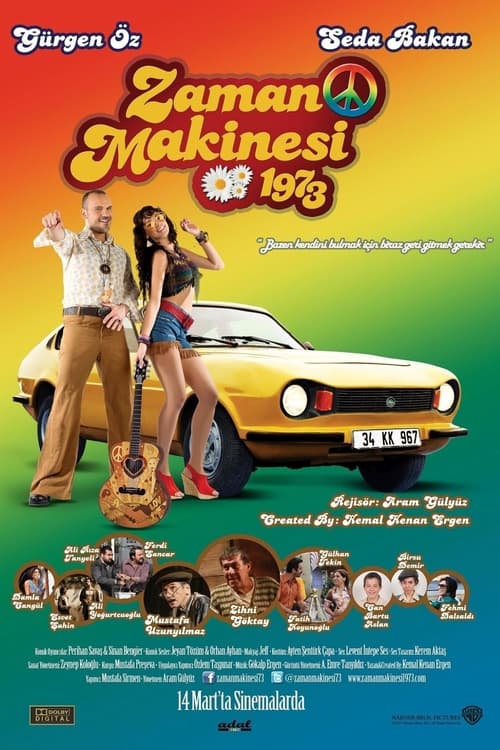
Zaman Makinesi 1973
2014
No user ratings available yet
Diversity score: 3.8 out of 10
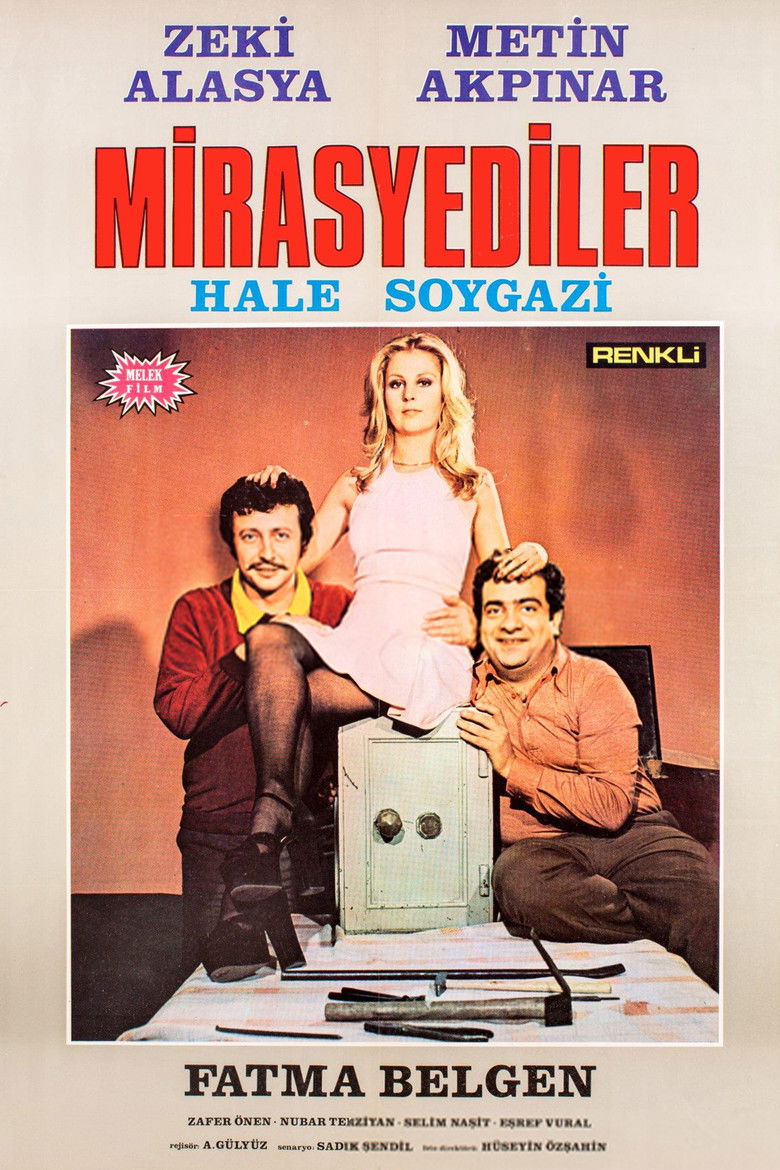
1974
Director
Aram Gülyüz
Average Rating
No ratings yetOverall Score
Limited
Category Breakdown
LGBTQ+ Representation
The film lacks verified evidence of explicit LGBTQ+ identities or narratives. It appears to follow the traditional representation typical of 1970s mainstream Turkish comedy.
Gender Representation
Prominent female leads like Hale Soygazi provide visibility. However, characters likely occupy roles defined by domesticity or romantic interest rather than subverting gender hierarchies.
Racial & Ethnic Diversity
The cast is predominantly homogeneous, reflecting the national demographic of the era. There is no evidence of casting used to disrupt traditional social structures.
Religious & Cultural Diversity
The narrative likely centers on class, inheritance, and social status. It lacks explicit secularist or anti-Western frameworks to elevate its cultural representation score.
Disability Representation
There is no information available regarding the depiction of physical or neurodivergent characters in this production.
Strengths
Areas for Improvement
AI Analysis
Mirasyediler is a product of 1970s Turkish cinema, operating within the specific socio-cultural landscape of rapid urbanization and shifting class dynamics. The film relies on established comedic traditions and a cast of prominent national actors. While the film engages with themes of inheritance and social hierarchy, it functions within the conventional narrative architectures of its time. It does not appear to prioritize intersectional agency or the disruption of traditional social norms. Ultimately, the work serves as a reflection of its era's mainstream values rather than a vehicle for progressive identity politics or diverse representation.
2014
2015
1983
2009
2019

1975

2015

2015

1965
1977
1983

2016
No reviews yet. Be the first to share your thoughts on this movie!
Use the rating form above to leave a star rating and optional review.