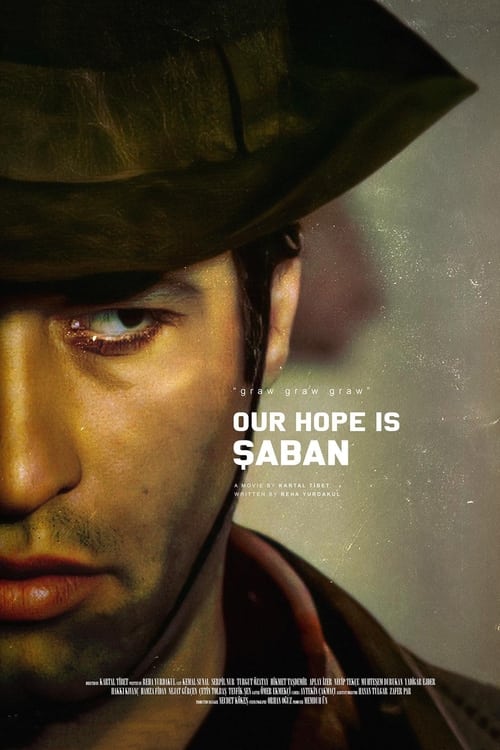
Our Hope Is Şaban
1979
No user ratings available yet
Diversity score: 3.9 out of 10

1984
Director
Kartal Tibet
Runtime
82 minutes
Average Rating
No ratings yetSynopsis
Şaban, who works as a clerk in a factory, is madly in love with Bahar, who works as a secretary in the same factory and attends university thanks to the financial support of the famous oil tycoon Adnan Bıçakçı. However, Bahar has her eye on the famous athlete Erkan. After Adnan Bıçakçı reveals that Bahar is his granddaughter, she is kidnapped by gangsters. However, the only person who tries to rescue her is not her boyfriend Erkan, but Orta Direk Şaban.
Overall Score
Limited
Category Breakdown
LGBTQ+ Representation
The film operates within a strictly heteronormative framework. The plot centers on romantic pursuits between the female lead and male characters, with no presence of non-cisnormative identities.
Gender Representation
Traditional gender roles dominate the narrative. While the hero subverts the alpha-male trope through slapstick, the female lead's agency is often mediated by various male figures.
Racial & Ethnic Diversity
The cast is culturally homogeneous, reflecting a localized Turkish setting. It lacks intersectional racial diversity but centers the Turkish working-class experience.
Religious & Cultural Diversity
The story offers a critique of capitalist structures and class stratification. It highlights systemic pressures by pitting a factory clerk against an oil tycoon.
Disability Representation
No explicit physical or neurodivergent disabilities are depicted. The protagonist's clumsiness serves as a comedic device tied to his social standing.
Strengths
Areas for Improvement
AI Analysis
Şaban, a Man from the Middle Class functions primarily as a class-based critique rather than a study in identity intersectionality. It uses the 'lovable rogue' archetype to disrupt social hierarchies and challenge the perceived superiority of the elite. The film succeeds in elevating the economically marginalized, framing the struggles of the common man as a central moral pillar. However, it remains tethered to the traditional gender and heteronormative structures typical of its era. Ultimately, the work provides a nuanced look at power dynamics within a localized context, prioritizing socioeconomic struggle over demographic diversity.
1979
1985

1985
2007
1981
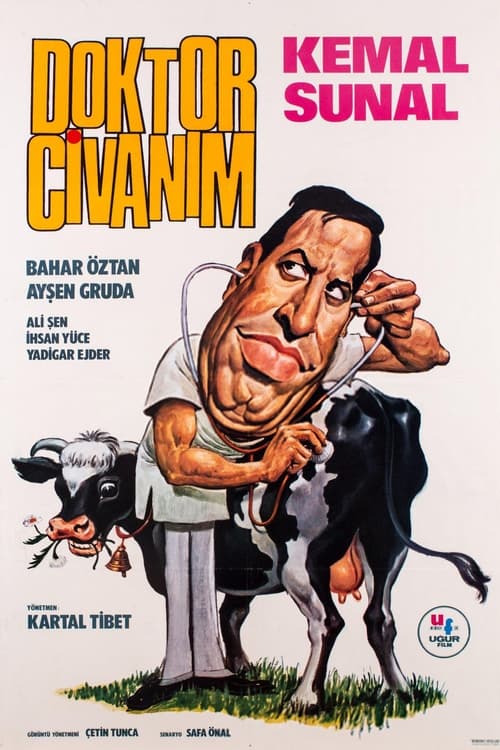
1983
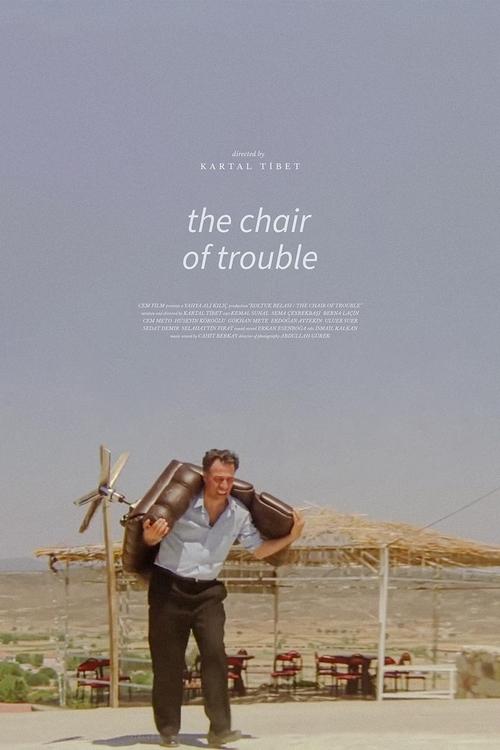
1990
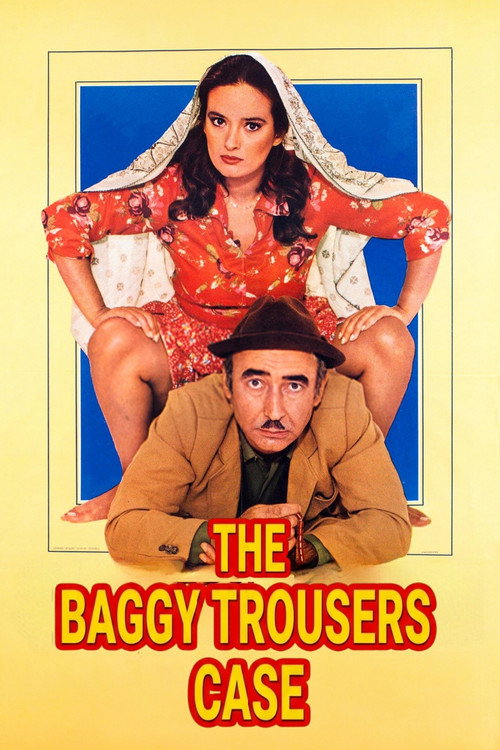
1983

2004
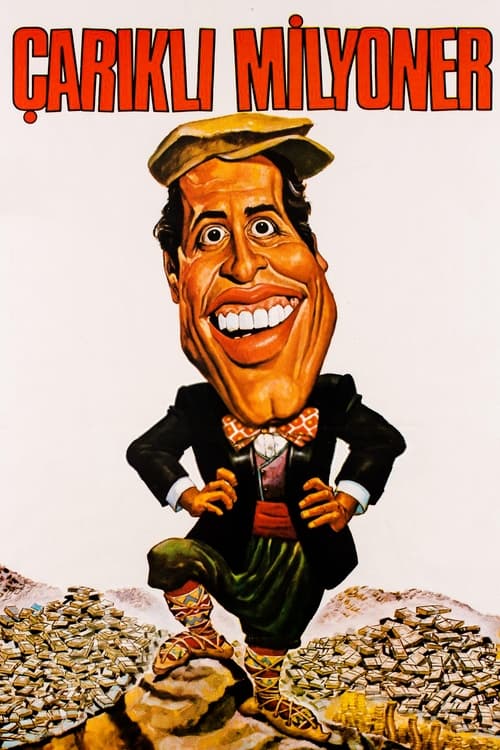
1983

1980
1981
No reviews yet. Be the first to share your thoughts on this movie!
Use the rating form above to leave a star rating and optional review.