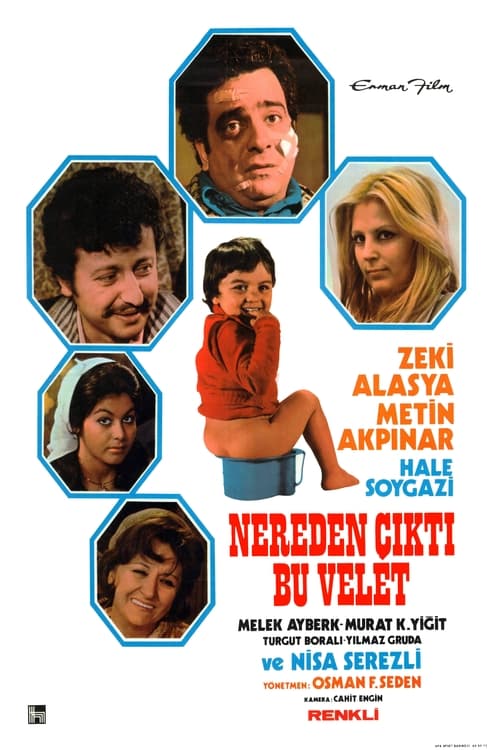
Nereden Çıktı Bu Velet
1975
No user ratings available yet
Representation score: 3.1 out of 10
Representation Score
Minimal
1975
Director
Osman F. Seden
Runtime
93 minutes
Average Rating
No ratings yetNew Showbiz Analysis
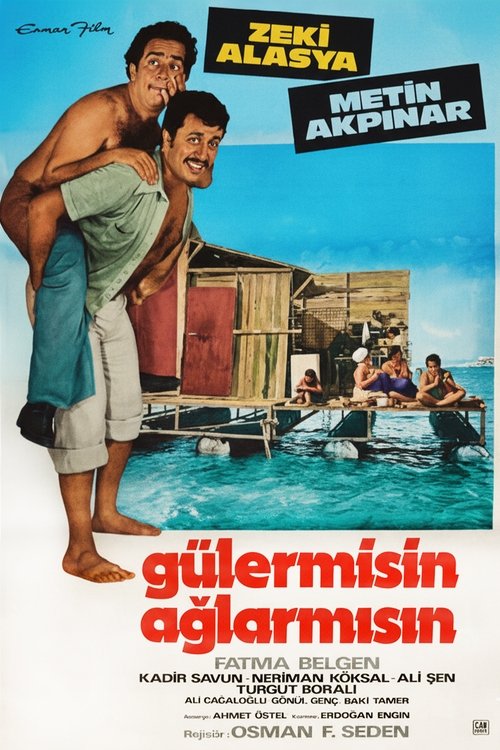
Güler misin Ağlar mısın is a quintessential product of the 1970s Yeşilçam era, focusing on localized interpersonal conflicts. The story relies on established clichés of class friction and friendship rather than exploring diverse identities. The narrative structure reinforces traditional social hierarchies. While it portrays a grassroots struggle to protect a neighbor's home, it serves as a moral comedy rather than a tool for broader social deconstruction. Ultimately, the film reflects the social norms of its time, emphasizing community bonds and romantic stability over broader perspectives of diversity.
Category Breakdown
The film does not include any characters with LGBTQ+ identities. It focuses solely on traditional romantic relationships and male friendships.
Female characters such as Aysel are defined by their relationships to men. The story emphasizes the emotional sacrifices and roles of male protagonists.
The story is set in a localized Turkish context, focusing on domestic socioeconomic issues. It does not incorporate multicultural casting or perspectives reflecting multiple aspects of diversity.
The film examines a moral conflict between capitalist expansion and communal stability. It reflects mid-century communal ethics rather than a broader social critique.
There are no visible or invisible disabilities integrated into the character arcs or plot drivers.
Present on Screen
Limited or Absent
Official Synopsis
Cemal, from Kayseri, is a prominent businessman. He runs a hotel in Kuşadası. However, this story is about the sacrifices made by two close friends for the people they love. Metin, who works as a receptionist at Cemal Bey's hotel, and Zeki, who works in construction, are inseparable friends. Cemal Bey decides to build a mini-golf facility to make more money and plans to put Metin in charge of it. At the same time, Metin is planning to marry Aysel, the daughter of Rasim Usta. However, Rasim Usta's house must be demolished to make way for the facility. As a result, Zeki and Metin oppose Cemal Bey. They build a floating house for Rasim Usta, who is now homeless. Cemal Bey devises plans to get rid of them. However, a guest arriving at the resort will change everything...
1975

1978

1979

2015

1978

1976

1977

1985
No reviews yet. Be the first to share your thoughts on this movie!
Use the rating form above to leave a star rating and optional review.