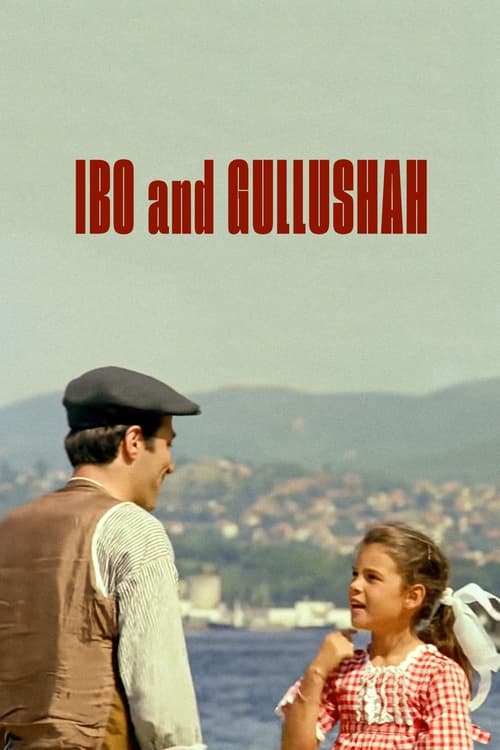
İbo and Güllüşah
1977
No user ratings available yet
Representation score: 1.9 out of 10
Representation Score
Minimal
1972
Director
Sırrı Gültekin
Runtime
0 minutes
Average Rating
No ratings yetNew Showbiz Analysis
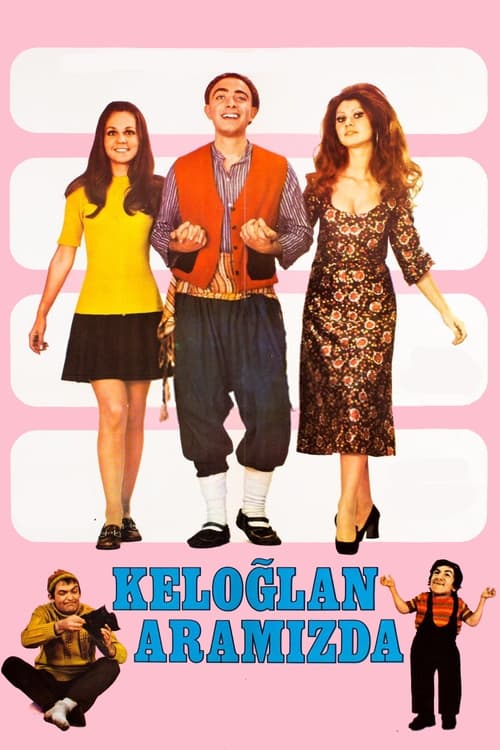
Keloğlan Aramızda is a traditional folk comedy that relies on familiar cultural clichés to maintain social hierarchies. The narrative centers on neighborhood stability and romantic pursuits through established archetypes. Reflecting the social norms of 1970s Turkish cinema, the film focuses on intra-cultural class distinctions rather than diverse identity representation. It emphasizes communal cohesion within a specific cultural context. The film does not engage with perspectives of those who are underrepresented or sidelined, nor does it challenge systemic power dynamics, resulting in a score that reflects its adherence to conventional storytelling.
Category Breakdown
The film follows traditional romantic structures, focusing on a love triangle involving a male protagonist and two female interests.
Female characters play traditional roles, with their influence tied to their romantic relationships or social standing relative to the male protagonist.
The setting showcases a uniform social environment that highlights local Turkish folk identity without delving into diverse ethnic or racial backgrounds.
The story upholds the local social order and communal stability, using class differences between city dwellers and neighborhood residents as a comedic element.
No characters with visible or invisible disabilities are mentioned. The narrative does not include any neurodivergent or physical disability elements.
Present on Screen
Limited or Absent
Official Synopsis
This comedy film tells the story of Keloğlan's adventures in Istanbul, where he comes with his mother to stay with his uncle. In the film, Keloğlan's friends Tırtıl and Bicirik help him defeat Çamur Şevket, the neighborhood bully, and save the neighborhood from trouble. Keloğlan is in love with Nurperi, the daughter of İsa Bey, the richest man in the neighborhood. However, Nurperi, being a wealthy city girl, does not pay much attention to Keloğlan. Unbeknownst to Keloğlan, Fatma, one of the beautiful girls in the neighborhood, also has feelings for him. Keloğlan is in love with Nurperi, the daughter of İsa Bey, the richest man in the neighborhood. However, Nurperi is a wealthy city girl and does not pay much attention to Keloğlan. Unbeknownst to Keloğlan, Fatma, one of the beautiful girls in the neighborhood, is also interested in him.
1977
1977
1975

1978
1979
1983

1984
1985
No reviews yet. Be the first to share your thoughts on this movie!
Use the rating form above to leave a star rating and optional review.