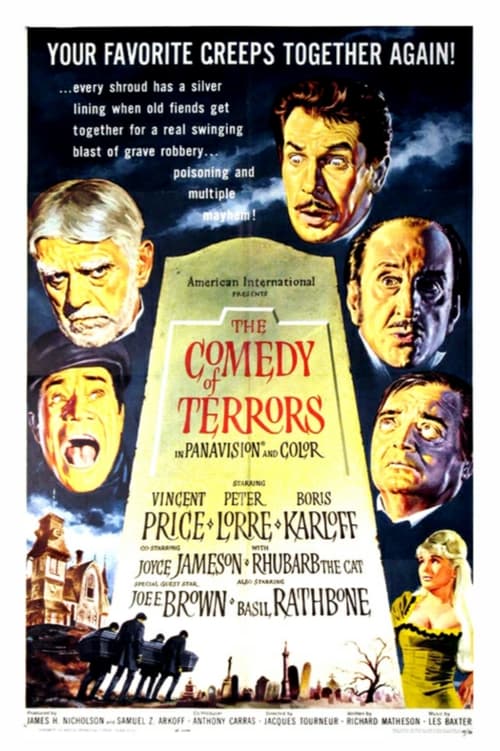
The Comedy of Terrors
1964
No user ratings available yet
Diversity score: 2.3 out of 10
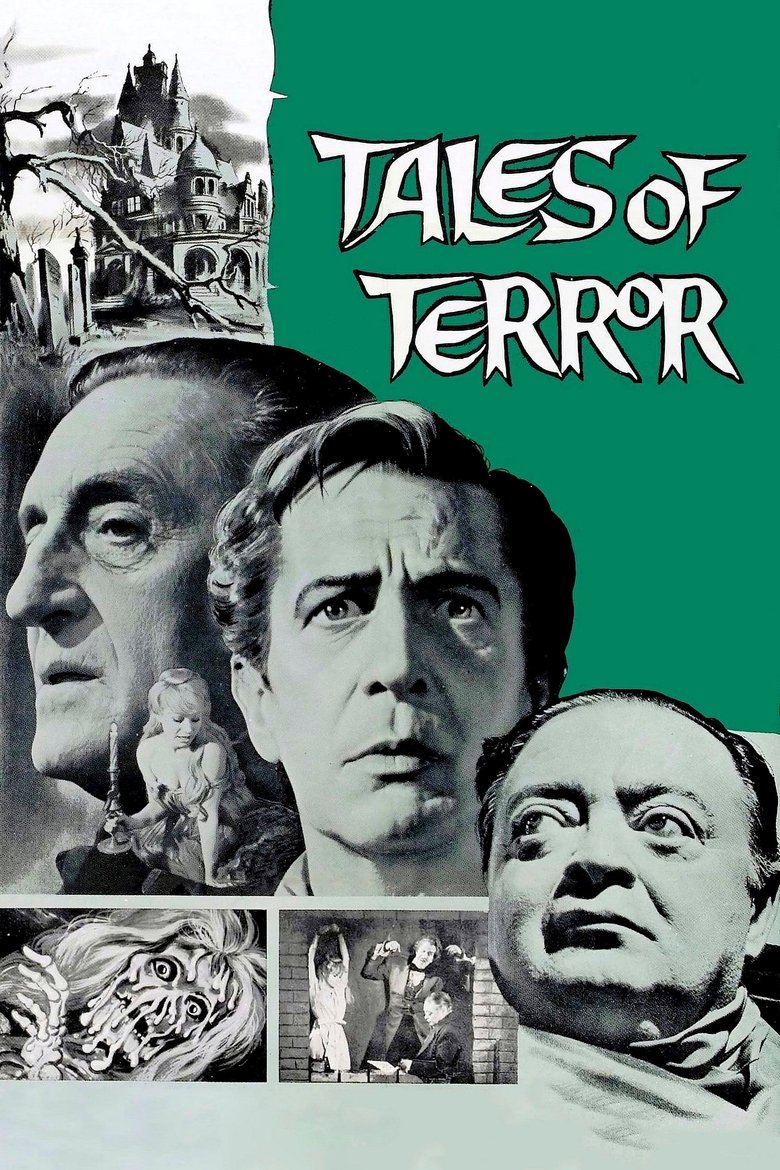
1962
Director
Roger Corman
Runtime
89 minutes
Average Rating
No ratings yetSynopsis
Three stories adapted from the work of Edgar Allen Poe: 1) A man and his daughter are reunited, but the blame for the death of his wife hangs over them, unresolved. 2) A derelict challenges the local wine-tasting champion to a competition, but finds the man's attention to his wife worthy of more dramatic action. 3) A man dying and in great pain agrees to be hypnotized at the moment of death, with unexpected consequences.
Overall Score
Limited
Category Breakdown
LGBTQ+ Representation
The film adheres to mid-century heteronormative structures. There is no evidence of same-sex intimacy or non-cisnormative identities.
Gender Representation
Women often occupy roles as passive victims or supernatural femme fatales. While characters like Joan Bennett show agency, it remains within traditional predator/prey binaries.
Racial & Ethnic Diversity
Casting is largely homogeneous and reflects the era's standard for Gothic horror. The narrative lacks diverse ethnic ensembles or race-bent casting.
Religious & Cultural Diversity
The film depicts institutional corruption through the Inquisition. It frames religious authority as a source of systemic cruelty rather than moral guidance.
Disability Representation
Psychological instability is used as a genre trope to heighten tension. These portrayals lack nuanced exploration of lived neurodivergent experiences.
Strengths
Areas for Improvement
AI Analysis
Roger Corman’s anthology relies heavily on established Gothic tropes and demographic homogeneity. The film functions as a stylistic exercise in suspense rather than a tool for social subversion. It reinforces traditional hierarchies through its casting and character dynamics. The most significant departure from convention is the skeptical treatment of religious institutions. By portraying the Inquisition as a source of madness, the film disrupts the idea of traditional authority as inherently benevolent. Ultimately, the work lacks intentionality regarding identity. It avoids active promotion of harmful stereotypes but fails to provide meaningful representation for marginalized groups.
1964
1987
1971
1982
1993
2007
2006
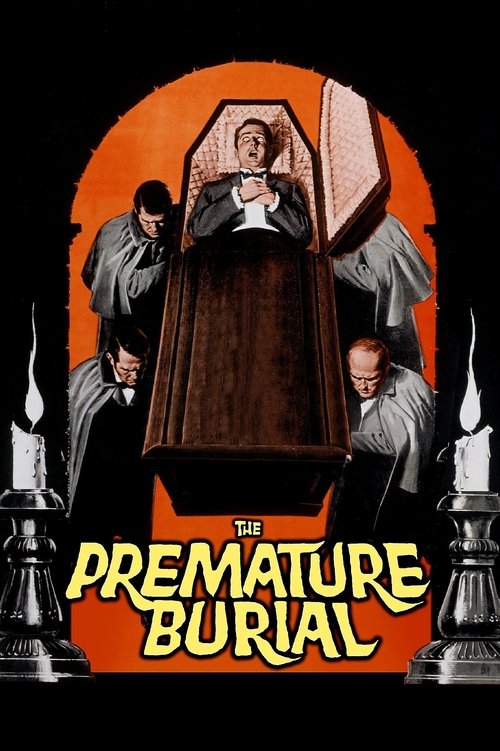
1962
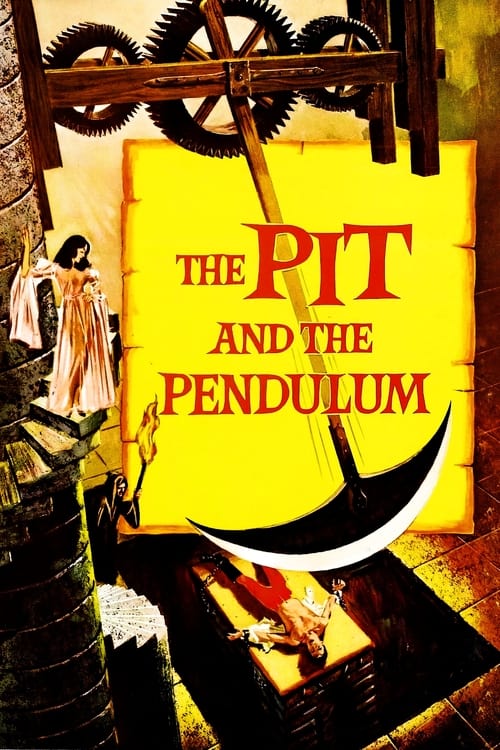
1961
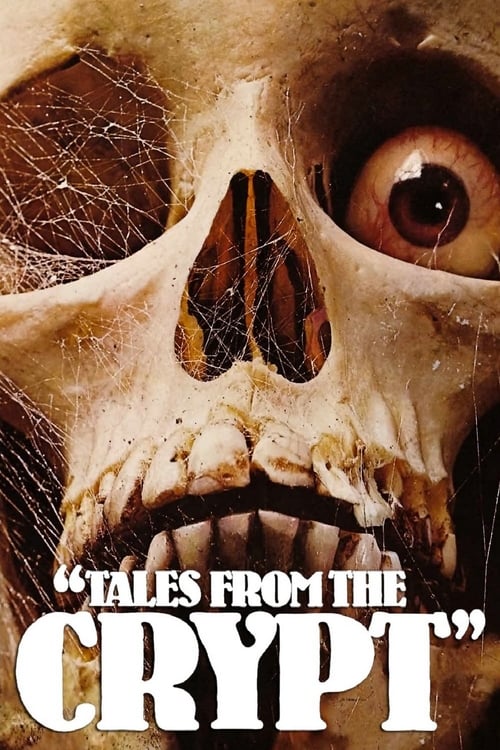
1972
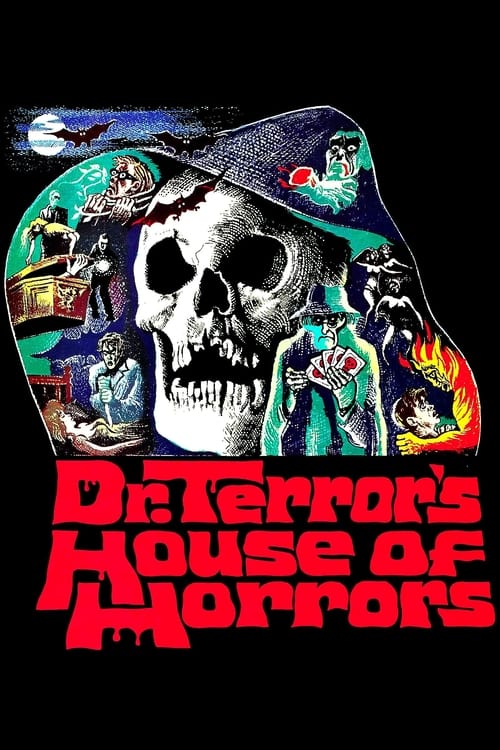
1965
1990
No reviews yet. Be the first to share your thoughts on this movie!
Use the rating form above to leave a star rating and optional review.