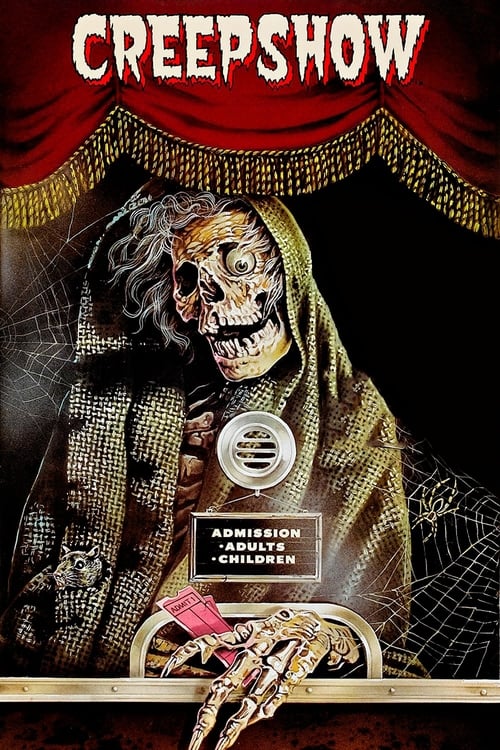
Creepshow
1982
No user ratings available yet
Representation score: 2.5 out of 10
Representation Score
Fair
2006
RDirector
Ana Clavell, James Glenn Dudelson
Runtime
104 minutes
Average Rating
No ratings yetNew Showbiz Analysis
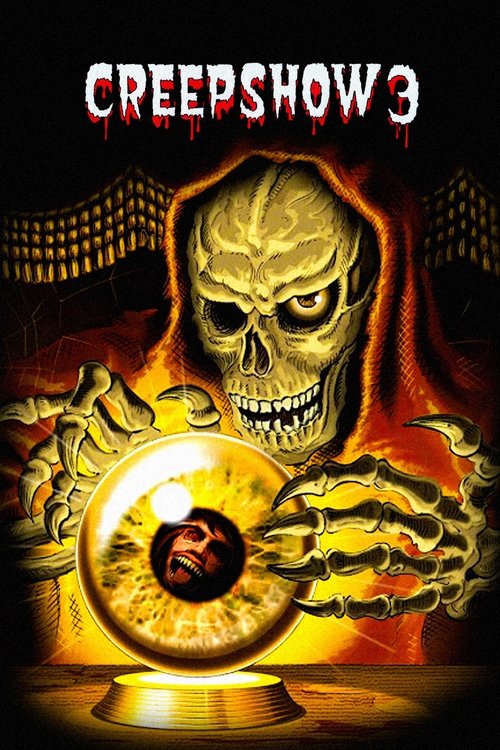
Creepshow 3 operates primarily as a genre exercise, using demographic shifts as a stylistic device. Its strongest contribution to diversity is the 'Alice' segment, which uses high-concept horror to experiment with racial identity. However, the film lacks deep, multi-layered character development. Most representations remain incidental to the horror framework, leaning on established clichés rather than intentional social commentary. While the anthology format allows for varied portrayals, the film fails to meaningfully subvert systemic hierarchies or provide significant representation for LGBTQ+ or disabled communities.
Category Breakdown
The film focuses on surreal horror themes rather than explicit LGBTQ identities. While 'Call Girl' explores lust and predatory behavior, it doesn't offer narratives that actively challenge assumptions about straight relationships.
Gendered stereotypes appear through traditional horror roles. While 'The Professor's Wife' explores domestic dynamics, the film offers limited subversion of established gender hierarchies.
The 'Alice' segment uses a surrealist device to alter character ethnicities. This experimentation with race as a fluid construct disrupts the homogeneous casting often found in horror.
The anthology structure favors fragmented storytelling over cohesive moral lessons. The shared hot dog stand setting suggests an absurdist view of social cohesion rather than promoting specific religious or cultural institutions.
There is no significant evidence regarding the portrayal of visible or invisible disabilities. Characters are defined by their horror roles rather than neurodivergence or physical disability.
Present on Screen
Limited or Absent
Official Synopsis
This follow-up to the George Romero/Stephen King-launched anthology series features five new tales of horror and a wraparound. The main stories deal with alternative realities ("Alice"), possessed communication devices ("The Radio"), vampires and serial killers in lust ("Call Girl"), mad inventors ("The Professor's Wife"), and hauntings from beyond the grave ("Haunted Dog").
1982
1987
1993
1973
2007

1962
2019
1965
No reviews yet. Be the first to share your thoughts on this movie!
Use the rating form above to leave a star rating and optional review.