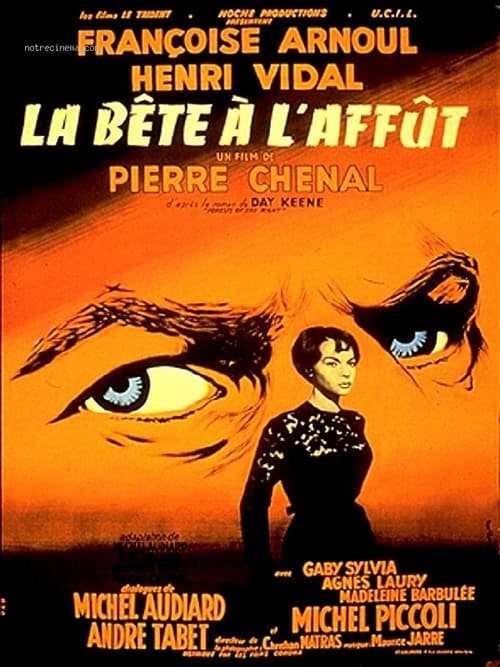
Beast at Bay
1959
No user ratings available yet
Representation score: 3.6 out of 10
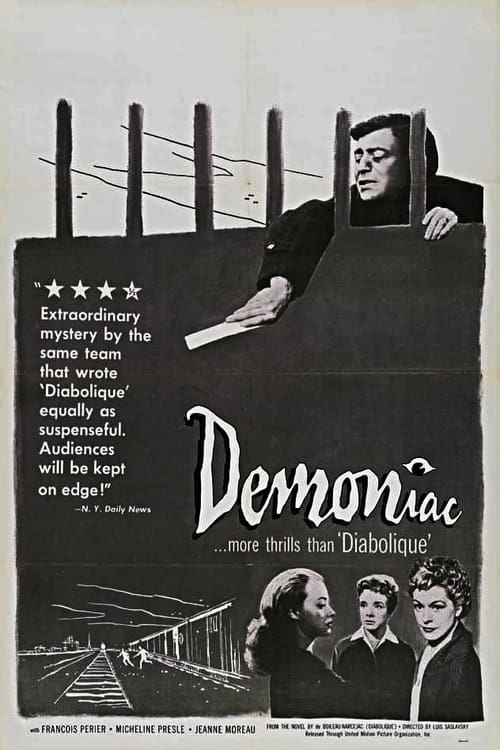
Representation Score
Limited
1957
Director
Luis Saslavsky
Runtime
101 minutes
Average Rating
No ratings yetNew Showbiz Analysis
Demoniac is a mid-century psychological thriller that emphasizes atmosphere and identity theft over social critique. Although it features a strong ensemble of female characters who influence the plot, the narrative remains tied to the conventional social structures of 1950s European cinema. The film delves into the heavy realities of post-war Europe and concentration camp trauma, yet it lacks the complexity of intersecting identities. The focus stays on individual survival and psychological intrigue rather than broader systemic issues. Ultimately, the work serves as a genre piece specific to its time. It lacks the diverse representation and progressive themes needed to transcend the demographic norms of its era.
Category Breakdown
The story focuses on a heterosexual relationship through letters. There are no depictions of same-sex relationships or non-cisgender identities.
Female characters such as Hélène, Agnès, and Julia play key roles in creating tension. They have significant influence but stay within traditional mystery storylines rather than challenging gender hierarchies.
The film reflects the mostly white European demographics of the mid-20th century. The setting and cast highlight the post-war European social and political context.
Themes of moral ambiguity and the supernatural, particularly the 'black arts,' dominate. The film does not critique Western institutions or religious structures directly.
The narrative examines wartime trauma but does not focus on characters with physical or neurodivergent disabilities.
Present on Screen
Limited or Absent
Official Synopsis
Gervais escapes from a German concentration camp and assumes the identity of a recently deceased fellow prisoner. Knowing that the dead man has been carrying on a romance by correspondence with Hélène, whom he has never seen, Gervais makes the acquaintance of the woman and they move in, but her sister Agnès dabbles in the black arts, which should be warning enough for Gervais to make himself scarce. Yet he sticks around, intrigued that the dead man's sister, Julia, refuses to blow the whistle on him.
1959
1976
1960

1956

1940
1944
1978

1937
No reviews yet. Be the first to share your thoughts on this movie!
Use the rating form above to leave a star rating and optional review.