
Peter Knife
1984
No user ratings available yet
Representation score: 4.9 out of 10

Representation Score
Fair
1975
Director
Luis Alcoriza
Runtime
103 minutes
Average Rating
No ratings yetNew Showbiz Analysis
Luis Alcoriza’s satire centers the Mexican experience, using the Revolution as a backdrop to dismantle class hierarchies. The film excels by offering a localized, authentic perspective and a nuanced critique of stagnant institutions. However, its progressive impact is limited due to a lack of representation for LGBTQ+ identities and disabilities. While it challenges patriarchal norms, the narrative remains primarily focused on socioeconomic and class-based conflicts. Ultimately, the film stands as a powerful piece of social commentary that emphasizes systemic critique over individual identity politics.
Category Breakdown
The film does not explicitly depict non-straight or non-cisgender identities. It focuses more on class struggles and socioeconomic issues rather than sexual identity politics.
The story explores the limitations placed on women within traditional Mexican social structures. It highlights family tensions to challenge conventional expectations of domestic harmony.
The production features a predominantly Mexican cast to emphasize a localized narrative rooted in the post-colonial experience. This approach prioritizes an authentic perspective on social change.
The film provides a deep critique of socioeconomic power structures through an anti-capitalist lens. It portrays social unrest as a necessary response to systemic stagnation and institutional rigidity.
There is no significant depiction of physical or neurodivergent disabilities within the narrative.
Present on Screen
Limited or Absent
Official Synopsis
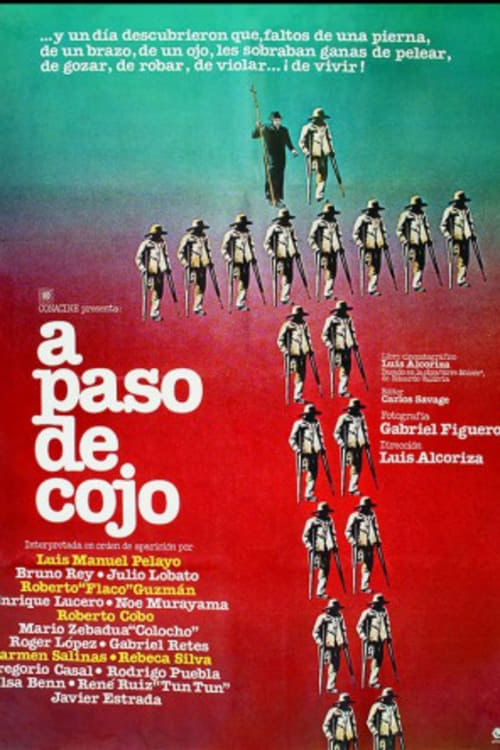
It narrates the phenomenon of the Mexican Revolution, satirically reflected through what happens in a town far from the places where the true Revolution was fiercely fought.
1984
1968
1970

1970

1966
1969
1980

1973
No reviews yet. Be the first to share your thoughts on this movie!
Use the rating form above to leave a star rating and optional review.