
The Butcher
1970
No user ratings available yet
Representation score: 3.5 out of 10
Representation Score
Fair
1982
Director
Claude Chabrol
Runtime
120 minutes
Average Rating
No ratings yetNew Showbiz Analysis
Claude Chabrol’s thriller emphasizes psychological tension and social critique over diverse representation. The film focuses on a predator hiding behind the facade of provincial respectability. While the narrative offers a sophisticated critique of Western social institutions and the fragility of middle-class morality, it lacks varied perspectives on identity. The story remains firmly rooted in a localized, Eurocentric context. Ultimately, the film’s strength lies in its subversion of social order rather than its diversity of identity. It delves into the darkness within traditional structures through a narrow, homogeneous lens.
Category Breakdown
The film does not explore LGBTQ+ identities or non-traditional relationships. Neighborly suspicion and traditional social structures dominate the character dynamics.
The narrative focuses on masculine tension between the hatter and the tailor. Female characters have limited roles and do not challenge traditional gender hierarchies.
The setting shows a predominantly white and homogeneous French society. There is a noticeable lack of racial or ethnic diversity among the cast.
Chabrol presents a cynical look at bourgeois stability. The film criticizes the 'respectable citizen' archetype by revealing the dysfunction beneath social facades.
The film does not significantly address physical or neurodivergent disabilities. Psychological issues are portrayed as criminal behavior rather than a nuanced study of mental health.
Present on Screen
Limited or Absent
Official Synopsis
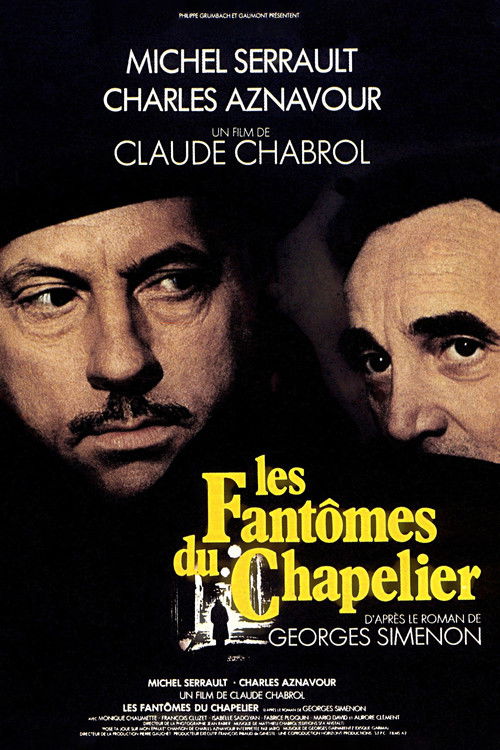
A hatter in a provincial town (Michel Serrault) leads the life of a respectable citizen but is in fact a serial murderer. The only person to suspect this is his neighbour the tailor (Charles Asnavour).
1970
1942
1987
1985

1986
1978
1975
1959
No reviews yet. Be the first to share your thoughts on this movie!
Use the rating form above to leave a star rating and optional review.