
Inspector Lavardin
1986
No user ratings available yet
Representation score: 1.7 out of 10
Representation Score
Good
1971
PGDirector
Claude Chabrol
Runtime
110 minutes
Average Rating
No ratings yetNew Showbiz Analysis
Claude Chabrol’s film is a sophisticated psychological study that challenges the perceived stability of the Western middle class. It successfully critiques the stability of bourgeois life and refuses to adhere to traditional moral hierarchies. However, the film lacks broad demographic diversity, focusing on a specific socioeconomic environment that excludes diverse ethnic and LGBTQ+ perspectives. While offering a progressive critique of social norms, its narrow scope limits its overall inclusiveness.
Category Breakdown
The film focuses on straight relationships within a narrow social circle and does not include narratives or characters that challenge traditional social norms related to sexual orientation.
Female characters in the film actively navigate complex power dynamics and emotional situations within domestic settings, challenging the idea of passivity.
The cast is predominantly white and reflects a narrow slice of French society, focusing on an insular environment without incorporating diverse ethnic perspectives.
The film critiques Western institutions by portraying the bourgeois family as unstable and performative, using moral relativism to question the perceived stability of the social order.
The protagonist's memory loss serves primarily as a psychological mystery and plot device, functioning as a catalyst for social unraveling rather than a meaningful exploration of living with amnesia.
Present on Screen
Limited or Absent
Official Synopsis
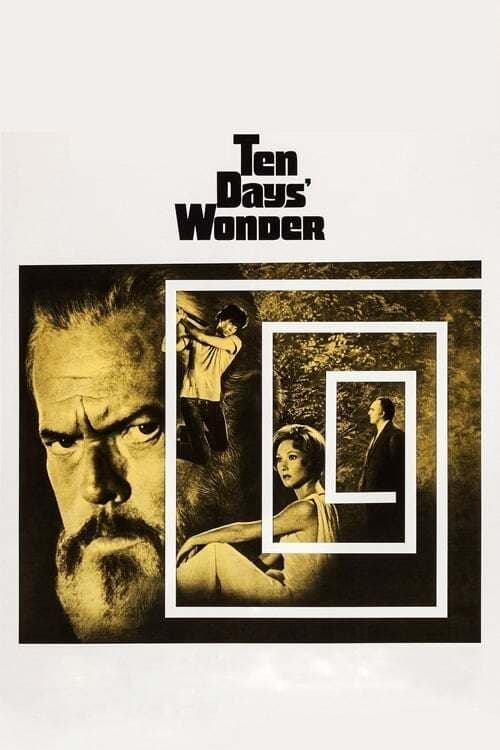
Charles Van Horn, son of rich and powerful Théo Van Horn, calls upon his former teacher Paul Régis to help him solve the mystery of his recurring bouts of amnesia.
1986

1970
1970

1994
1978

2015
1959
1998
No reviews yet. Be the first to share your thoughts on this movie!
Use the rating form above to leave a star rating and optional review.