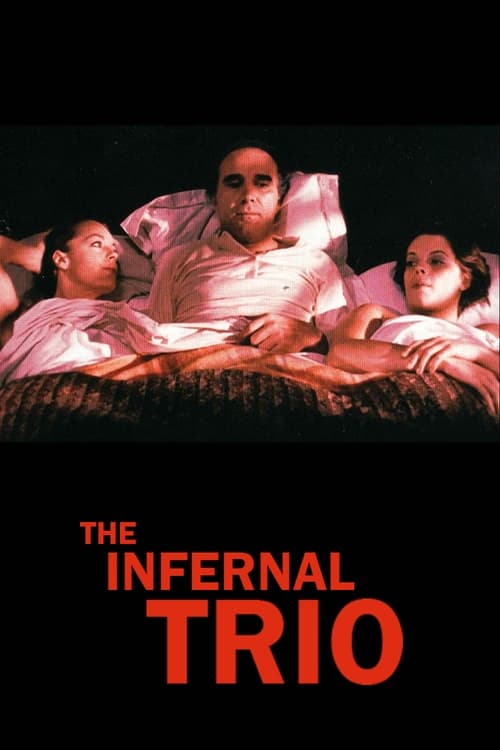
The Infernal Trio
1974
No user ratings available yet
Representation score: 5.1 out of 10
Representation Score
Limited
1963
Director
Claude Chabrol
Runtime
112 minutes
Average Rating
No ratings yetNew Showbiz Analysis
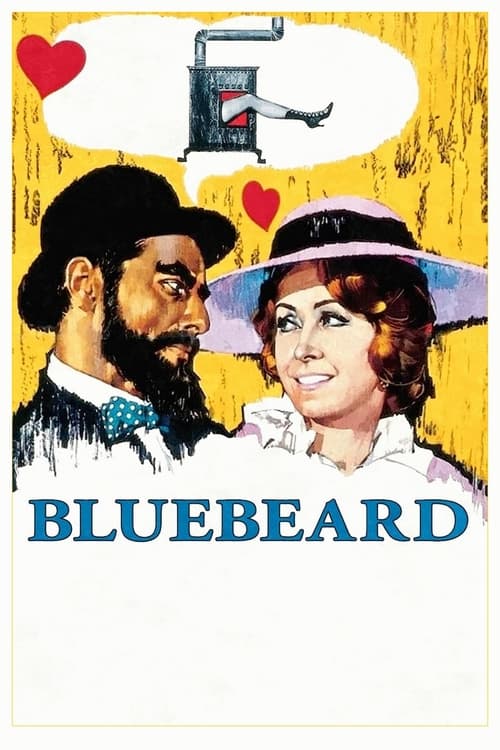
Bluebeard is a period piece that prioritizes historical accuracy and psychological deconstruction over modern demographic diversity. While it lacks diversity in terms of race, gender ability to act, and LGBTQ+ presence, it offers a sophisticated critique of social structures. The film's value lies in its subversion of middle-class stability. By presenting the 'respectable' bourgeois man as a monster, Chabrol disrupts traditional ideals of domestic sanctity and patriarchal competence. Ultimately, the work is a narrow, clinical study of individual pathology within a homogeneous European setting, making it culturally disruptive but demographically limited.
Category Breakdown
The film stays within a framework that assumes everyone is straight and cisgender. There is no mention of queer identities or non-cisgender roles.
The film portrays the husband as a predator in the home rather than a protector, challenging traditional gender roles. However, the women have little influence over the plot's direction.
The cast is mainly composed of white and European actors, reflecting a homogeneous social environment. The film does not include diverse casting or race-bending.
The film critiques Western social institutions by revealing the bourgeoisie as a facade for moral decay. It emphasizes psychological realism over religious or patriotic themes.
There is no significant representation of physical or cognitive disabilities. The film focuses on criminal behavior rather than the experiences of disabled individuals.
Present on Screen
Limited or Absent
Official Synopsis
Paris, France, during the First World War. While thousands of soldiers die every day on the battlefields, Henri Landru, a seemingly respectable furniture dealer, married and father of four children, relentlessly feeds his own sinister factory of death.
1974

1970

2010
1942
1978
1947
1960

1970
No reviews yet. Be the first to share your thoughts on this movie!
Use the rating form above to leave a star rating and optional review.