The Wizard of Oz
1982
No user ratings available yet
Representation score: 6.3 out of 10
Representation Score
Minimal
1989
TV-Y7-FVDirector
Juri Yagi
Runtime
36 minutes
Average Rating
No ratings yetNew Showbiz Analysis
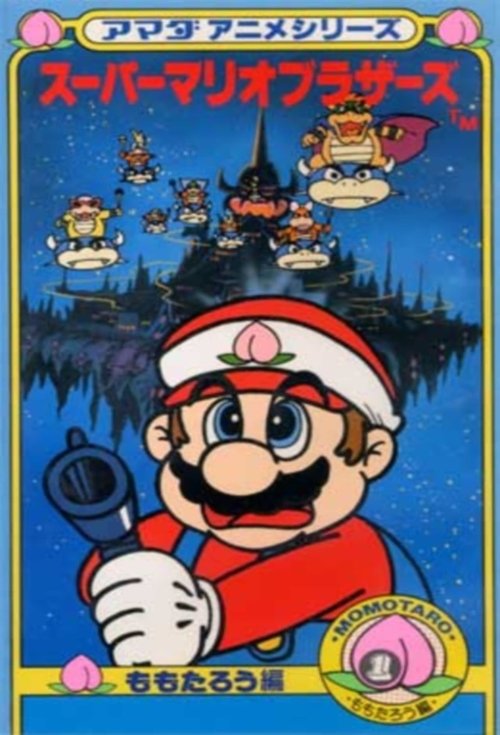
The 1989 OVA adapts three fairy tales using Super Mario characters. The narrative structure is conventional, relying on male heroes to resolve conflicts through physical competence. Princess Peach functions primarily as a passive target for rescue, reinforcing traditional gender dynamics without critique. The world is a self-contained fantasy realm with no real-world racial, ethnic, or disability representation. Social hierarchies are monarchical and accepted as natural order. The moral framework is straightforward: loyalty to the crown and family bonds are honored, while usurpation is punished. The film presents a traditional, unchallenged view of gender, family, and authority. There is no subversion of these norms, nor any attempt to complicate the binary good-versus-evil dynamic. The result is a straightforward, era-typical adventure with minimal representational complexity.
Category Breakdown
No same-sex romance or non-binary identities appear in the three segments. The narrative relies on a forced heterosexual marriage between Bowser and Princess Peach. No implied intimacy exists outside this dynamic.
Mario and Luigi drive the plot as competent heroes. Princess Peach serves as a passive object of rescue. Women are framed as prizes or victims rather than active agents.
The cast consists of anthropomorphic fungi, reptiles, and human-like figures. No real-world racial or ethnic identities are depicted. The fantasy setting offers no space for diversity.
The story upholds monarchical hierarchy and feudal loyalty as natural order. Family bonds between brothers are honored. The restoration of the rightful ruler is treated as the correct moral outcome.
No characters possess ongoing physical or cognitive disabilities. Injuries are temporary plot devices resolved by power-ups. No disabled actors or characters are featured in the animation.
Present on Screen
Limited or Absent
Official Synopsis
Super Mario's take on three classic fairy tales - Momotaro from Japanese folklore with Super Mario as Momotaro, Issun-boshi, a tale similar to Tom Thumb, with Super Mario as Issun-boshi and Show White with Princess Peach as Snow.
1982
2002
1979
1986
1979
1992
1979
1981
No reviews yet. Be the first to share your thoughts on this movie!
Use the rating form above to leave a star rating and optional review.