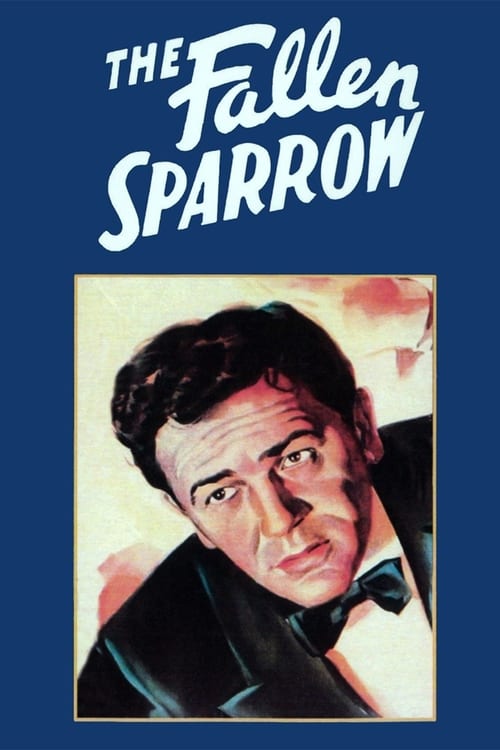
The Fallen Sparrow
1943
No user ratings available yet
Representation score: 1.7 out of 10

Representation Score
Limited
1957
NRDirector
Russell Birdwell
Runtime
81 minutes
Average Rating
No ratings yetNew Showbiz Analysis
Set in a Cold War context, the film primarily addresses the binary struggle between individual freedom and state totalitarianism. It adheres to the social norms of its time, focusing on geopolitical conflict rather than a diverse ensemble. While the film lacks demographic diversity, it offers a moderate level of gender ability to act through its female lead. The narrative highlights the tension between individual ability to act and systemic oppression within a mid-century framework.
Category Breakdown
The film does not include any LGBTQ+ characters or narratives. Relationships and motivations are centered around traditional romance or espionage themes.
Dasha plays a central role in driving the story, showing strength and independence. However, male characters hold the main positions of power and authority.
The cast is mainly white, reflecting the historical and geographical setting. There is no effort to include diverse backgrounds or multi-layered casting.
The story criticizes centralized, authoritarian power and the Soviet state. The setting's official atheism emphasizes political struggle over religious morality.
The film does not focus on visible or invisible disabilities. There are no character arcs centered around neurodivergence or physical impairments.
Present on Screen
Limited or Absent
Official Synopsis
In Moscow 1953, four terrified women prisoners are brought before Joseph Stalin, who chooses the beautiful Dasha. He punishes her by shaving off her long hair. Moments later, a plastic surgeon leads Stalin into the operating room and transforms his face so that he is unrecognizable. He vanishes, but OSS agent Steve Anderson searches for him in Europe.
1943

1946
1964
1969
1947
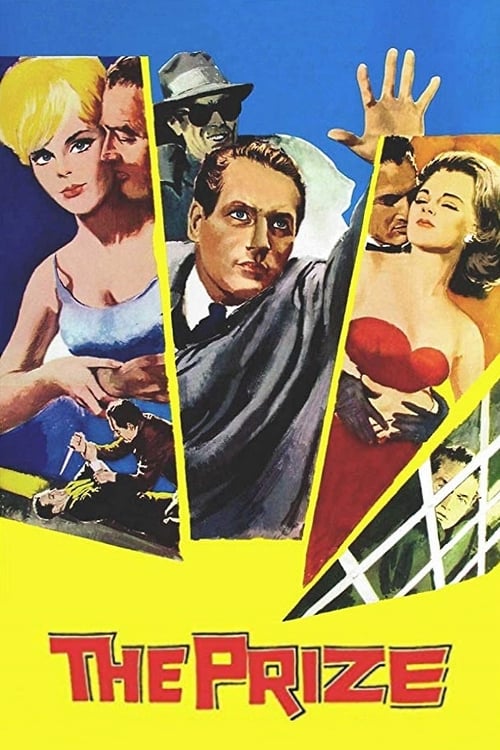
1963

1950

1943
No reviews yet. Be the first to share your thoughts on this movie!
Use the rating form above to leave a star rating and optional review.